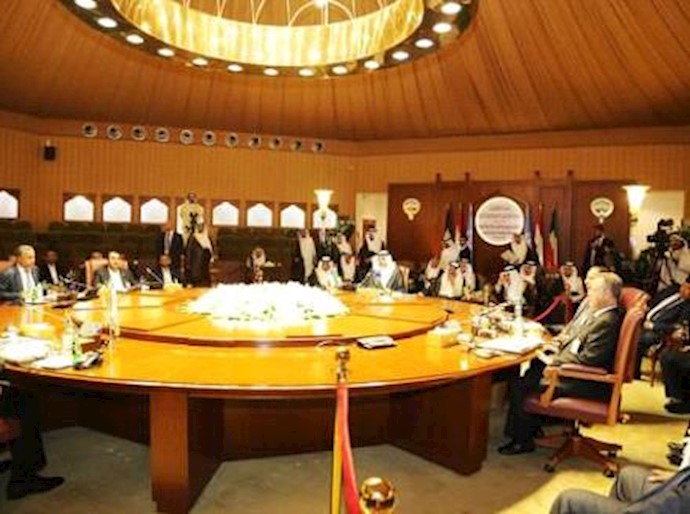
Kuwait City- Delayed peace talks aimed at ending 13 months of conflict in Yemen resumed on Friday, a day after UN mediators finally managed to get warring sides to the table.
The United Nations hopes negotiations — which were originally due to begin on Monday — will put a stop to fighting across Yemen.
The talks resumed on Friday afternoon, Sharbel Raji, spokesman for UN envoy Esmail Ould Shaikh Ahmad, said.
Two delegations, each of seven members, representing the government, and the Al Houthis and their allies, joined Ould Shaikh Ahmad at the meeting, a delegate said.
The envoy appealed to both delegations to seize the opportunity of the talks in Kuwait, saying Yemen was “closer to peace than any time before”.
Delegates representing the government of President Abd Rabbo Mansour Hadi had threatened to pull out of talks altogether if the other side was not around the table by Thursday evening.
A first session was eventually held and lasted less than two hours, a delegate said.
Kuwaiti Foreign Minister Shaikh Sabah Al Khaled Al Sabah hailed the talks as “a historic opportunity” to end the bloodshed.
Yemen has been riven by fighting since a Saudi-led coalition launched a military offensive last year against Iran-backed Al Houthi, who had seized the capital and much of the rest of the country.
The conflict has stoked tensions between Saudi Arabia and Iran, which has been smuggling weapons to the Al Houthi forces.
Previous UN-sponsored peace efforts failed to make any headway, and the last ceasefire in December was repeatedly violated and eventually abandoned by the Arab coalition on January 2.
But the UN envoy said the latest truce and negotiations offered a unique chance to end the violence.
The Al Houthi delegation met Ould Shaikh Ahmad after the opening session, their news agency reported late Thursday, and stressed the “need to secure the ceasefire.”
The delegation said the “key to reaching a solution is agreeing on a transitional authority,” Sabanews.net reported.
UN Security Council Resolution 2216, which is seen as a basis for any peace plan, states that the Al Houthis must withdraw from seized territories and disarm before talks can progress.
But diplomatic sources have said they are demanding a change to the UN initiative, preferring to first agree on a political leadership for Yemen before making military concessions on the ground.
At the opening session on Thursday, Ould Shaikh Ahmad said the UN process “will not necessarily follow a particular sequence”.
“Instead, discussions will happen in parallel through working committees that will look into implementation mechanisms of each element, for the sake of reaching one comprehensive agreement that paves the way for a peaceful and orderly transition.”
Al Houthis, who had waged an on-off rebellion for a decade, swept from their stronghold in the northern mountains to take Sana’a unopposed in September 2014, before storming south and forcing Hadi into exile in March last year.
With the support of coalition troops and air power, Hadi’s loyalists have managed to oust the rebels from Aden and neighbouring southern provinces as well as some districts on the Saudi border.
But the Al Houthis and their allies remain in control of the capital and much of the northern and central highlands, as well as the Red Sea coast.
Despite the nominal ceasefire, fighting has continued, particularly around the battleground third city of Taiz, where loyalist forces have been under rebel siege for months, and in Jawf province on the Saudi border, military sources said.
Source: Gulf News, 22 April 2016