
Extracted from New York Times
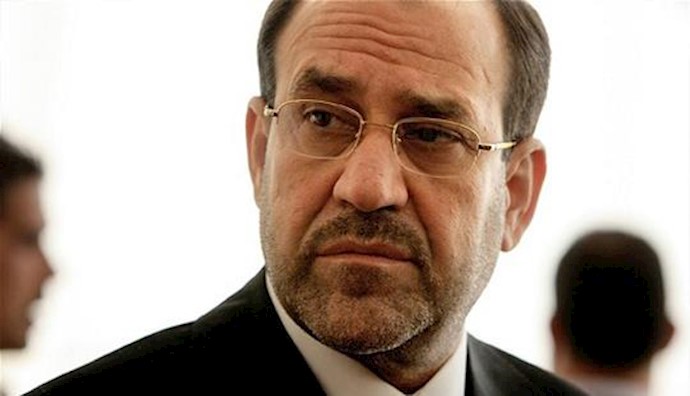
A strategy of showing toughness may win votes among Maliki’s Shiite constituency, but as Iraqis vote on Wednesday in the first national elections since the withdrawal of American forces, it is far from certain that he will be able to win over enough others to lock down another term, The New York Times reported on Tuesday, April 29th.
It is far from certain that he will be able to win over enough others to lock down another term.
Many American officials would welcome his defeat. American intelligence assessments have found that Maliki’s re-election could increase sectarian tensions and even raise the odds of a civil war, citing his accumulation of power, his failure to compromise with other Iraqi factions — Sunni or Kurd — and his military failures against Islamic extremists. On his watch, Iraq’s American-trained military has been accused by rights groups of serious abuses as it cracks down on militants and opponents of Mr. Maliki’s government, including torture, indiscriminate roundups of Sunnis and demands of bribes to release detainees.
A long list of political rivals are determined to unseat him. Judging by their subtle calls for “change,” he may have lost the support of the Shiite religious authorities in Najaf, the holy city in southern Iraq, who hold great sway over Iraq’s Shiite majority.
Many Iraqis, while acknowledging their desire for strong leadership, also say they are weary of the violence and political dysfunction that have defined life under Maliki.
Maliki, 63, will face stiff opposition as he fights to remain in power.
Iraqi voters are likely to deliver him a plurality of seats, political experts here say, but far from a majority that would assure him a new term. After the election, the back-room negotiating will begin, chiefly between Maliki and his Shiite rivals, but Sunni and Kurdish leaders will be involved, too.
The postelection period is expected to be messy and protracted, not atypical in Iraq, but this time experts say it could be even longer — perhaps as long as a year.
Iran, perhaps Maliki’s most important supporter as he consolidated power in recent years, has supported his re-election campaign with millions of dollars, according to American intelligence reports.
But Iran has also funneled money to some Shiite rivals of Maliki, demonstrating that Iran’s chief aim is to maintain Shiite dominance, not necessarily Mr. Maliki’s rule.
In an effort to bridge the political and sectarian divide in Iraq and guard against Maliki’s growing authoritarianism, the Obama administration had sought to persuade Maliki to share power with his bitter rival, Ayad Allawi, who was the leader of a bloc with broad Sunni support. But the effort failed, and Maliki never developed the inclusive government the White House had hoped for.
Many, though, are troubled by what they describe as Maliki’s attempt to build a family dynasty, which inevitably, for Iraqis, recalls the legacy of Mr. Hussein. He has given his son, Ahmed, broad, vaguely defined powers over security within the prime minister’s office and inside the Green Zone. And both of his sons-in-law, who work for his office, are running in the election.