Chance of an armed conflict between Iraq’s central government and the Kurdistan region is possible
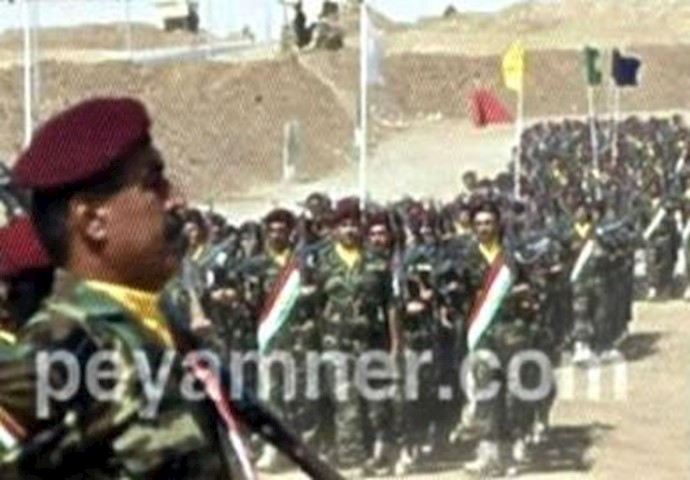
According to an article by Le Monde, the theory of an armed conflict between Iraq’s central government and the autonomous Kurdistan government is not out of the question. One of the signs of an atmosphere of tension is that Kurdish Pishmargas or the region’s military soldiers on Friday July 27th, prevented the Iraqi Army access to the Syrian border passageway of Fichkhabour – this part of the border is in the Zemari area which is one of the disputed territories between the Kurds and the Baghdad government.
According to the AFP on Sunday, an official anonymous Iraqi source accused the Kurds of secretly purchasing anti-aircraft and tank weapons “with the help of a foreign country” – which it didn’t name, yet is probably Turkey that is currently a political conflict with Baghdad.
Last spring in the course of a trip to Washington, Massoud Barzani attempted to prevent the US from selling F-16 fighters to Iraq, yet he was unsuccessful.
Sectarian and religious tensions have escalated due to the Syria crisis, with its shockwaves reaching Iraq. Mr. Barzani, who is close to Turkey, supports Syrian rebels while Maliki, who is backed by the Iranian regime, supports the Assad regime.
The opportunity of disagreements between Baghdad and Erbil are endless: control of the borders; dissolving Kurdish Pishmarga into the Iraqi National Army; determining the compass of the Kurdistan region; and dividing assets between the central government and the autonomous region, especially regarding oil reserves.
The whole story truly began with the signing of an oil deal. In the fall of 2011, a short time prior to the US withdrawal, Kurdish leaders signed an oil deal with the American giant oil company Exxon. Baghdad opposed to this deal upon three fundamental reasons; first, the Iraqi Ministry of Oil was not informed of the deal; second, the deal was estimated to be contrary to the Iraqi Government’s legislations on the equal division of profit from oil; and third, of the six areas that were transferred to Exxon, three were areas were in Kirkuk and Mosul plains – which a referendum was to be carried out over to determine if these areas were to be allocated to the Kurdish region or to the Arab inhabiting provinces.
Baghdad’s threats against Exxon were fruitless. According to informed sources, the American oil giant has launched the excavation task from a while ago.
“The presence of Exxon for us is worth the presence of two US military divisions and is insurance for the future”, said one of the Kurdish leaders close to Kurdistan region leader Massoud Barzani.
After Exxon, another American oil giant, Chevron signed a deal to excavate in to oil circuits. According to information from a number of sources, the French group TOTAL is preparing to sign an agreement to excavate from three circuits, including one in one of the “disputed territories”. Another “sign of war” is that the autonomous Kurdistan has begun exporting oil to neighboring country Turkey.
Iraqi Prime Minister Nouri Maliki sees this situation as unacceptable. Since the Kurd’s increasing autonomy can turn into a role model for the Sunni provinces or even in the Shiite province of Basra in the south, which holds the country’s richest oil reserves. “Al-Maliki prefers to be the leader of big country then to be the governor of a city named “Shiitestown” in southern Iraq”, said a Western diplomat.
However, in the contrary, Massoud Barzani knows himself as the defender of Iraq’s minority rights vis-à-vis the hegemony of the Shiite government. That was why he gave asylum to Sunni Deputy President Taregh al-Hashemi, who was accused of charges and prosecuted in absence.
“This is a political prosecution” said Foad Hussein, Mr. Barzani’s Secretary. “The Prime Minister is breaching the Constitution nonstop. He should follow up on the implementation of the promised census and organization for the referendum over the disputed territories, which he has countlessly promised. Maliki cannot even provide electricity for the citizens, yet he opposes to our management in Kurdistan”.
The contiguity that has started between the Kurds and Sunni Arabs, with the intermediation of Ankara, has led to the establishment of a new alliance that is attempting to topple the Maliki government…