
It is a known fact that For 70 years US Presidents from both sides of the aisle have sought to thwart Russian influence in the Middle East. Harry Truman forced the Red Army to withdraw from northern Iran in 1946. Richard Nixon raised a nuclear alert to deter Moscow from resupplying its Arab clients during the Yom Kippur War in 1973. Even Jimmy Carter threatened military force to protect the Persian Gulf after the 1979 Soviet invasion of Afghanistan.
So it says something about the current Administration’s strategic priorities that it is having trouble deciding what to do about Vladimir Putin’s decision to send combat planes to Syria to prop up Bashar Assad’s faltering regime. Should the U.S. oppose the move—or join in?
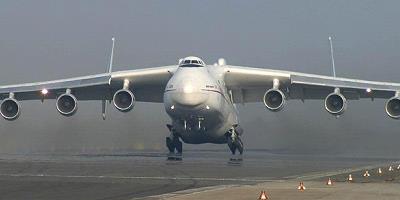
Last month the Israeli website Ynet reported that the Kremlin planned to deploy combat aircraft to Syria to help the Assad regime. The Russians are also sending an “expeditionary force” of “advisers, instructors, logistics personnel, technical personnel, members of the aerial protection division, and pilots who will operate the aircraft.” That deployment is now underway.
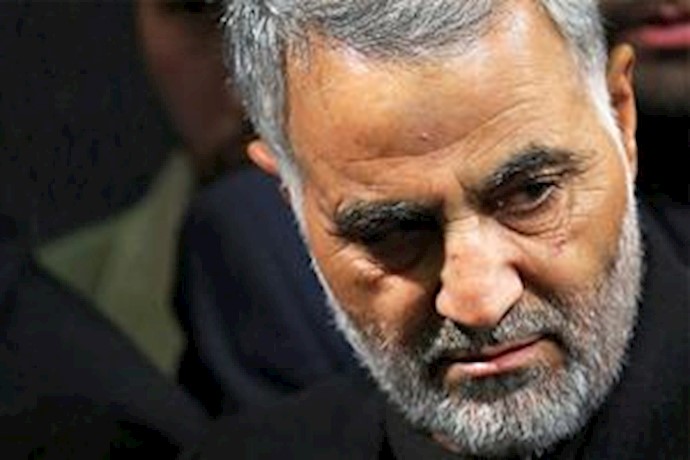
The decision to intervene seems to have been made during a visit to Moscow last month by Qasem Soleimani, the Iranian general in charge of the Quds Force. The general, who armed anti-American Shiite militias in Iraq, now oversees Tehran’s efforts to save Mr. Assad. The Iran nuclear deal lifts international sanctions against Mr. Soleimani and the Quds Force.
So what is the Obama Administration to do? Secretary of State John Kerry warned Russian Foreign Minister Sergei Lavrov last week that Russian intervention could “further escalate the conflict” and “lead to greater loss of life,” as if human rights are the lodestar of the Kremlin’s foreign policy. Mr. Obama also weighed in Friday, saying the Russian intervention was “doomed to fail,” and that Moscow was “going to have to start getting a little smarter.”
Mr. Obama made similar tut-tutting remarks about Mr. Putin after the invasion of Ukraine, which hardly dented the Russian’s taste for foreign adventures. But that doesn’t mean the Administration has given up on the Russians.
“The options are to try to confront Russia inside Syria or, as some in the White House are advocating, cooperate with Russia there on the fight against ISIS,” Bloomberg’s Josh Rogin reported last week. The thinking seems to be that the U.S. has a chance to turn a lemon into lemonade by accepting Russia’s intervention as a fait accompli while defeating a common enemy.
Now that would be a sight: American F-18 pilots becoming wingmen to Russian MiGs to help a blood-soaked dictator stay in power. Yet as far-fetched as that seems, it’s also hard to see this President taking steps that might run any risk of confronting Russia or irritating the Iranians so soon after the nuclear deal. The result is likely to be one more policy abdication: More sermonizing about Russia being on the wrong side of history, and perhaps a few additional economic sanctions.
Russian intervention will not defeat the ISIS. But it might save the Assad regime, while giving Moscow a new sphere of influence in the Middle East. It will also reinforce the lesson—for Mr. Putin and other autocrats—that the U.S. under Mr. Obama is a pushover and that now is the time to seize their chances.
As for the U.S., Russia’s intervention is another strategic debacle that could have been avoided if Washington had intervened years ago, when ISIS didn’t exist and we still had credible moderate allies in the country. Had the anti-interventionist wing of the GOP followed John McCain’s and Lindsey Graham’s advice to act forcefully at the start of the uprising, they wouldn’t now be fretting about the Syrian refugees now swamping Europe.
The best option now for the U.S. would be to work with Turkey, Israel and Jordan to establish no-fly zones along their respective borders with Syria, along with protected “no-drive” zones in designated civilian safe havens. The model is Operation Provide Comfort, which established a safe haven for Kurds after the 1991 Gulf War and created the basis for a stable Iraqi enclave that is now our ally against ISIS.
Russian pilots will not lightly risk a confrontation against superior American firepower and technology. A no-fly zone would also put some teeth into Mr. Obama’s promise to continue to oppose Iran’s regional behavior. Even better would be for the Administration finally to get serious about arming and training a viable Syrian opposition force, but don’t hold your breath.
Still, there’s a chance for the next American President to learn lessons from Syria: Namely, that inaction has consequences, and weakness is provocative. Until then, don’t expect any respite from Mr. Putin’s power plays—in Syria, Ukraine or anywhere else where his ambitions can find an opening in Barack Obama’s weakness.