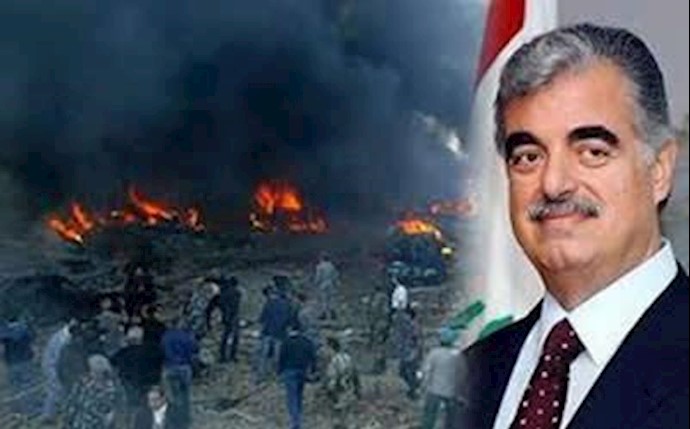
AP, Beirut, January 11, 2011 – Regional powers Syria and Saudi Arabia have failed to reach a deal to ease political tensions in Lebanon over the ongoing international investigation into 2005 assassination of former Prime Minister Rafik Hariri, Lebanese leaders said Tuesday.
The Shiite militant group Hezbollah blamed U.S. meddling and demanded a Cabinet meeting within 24 hours.
The effort by Syria and Saudi Arabia – who have backed rival camps in Lebanon in the past – had been touted by Lebanese and Arab leaders as the best hope to defuse tensions in one of the most volatile corners of the region.
’The initiative has ended with no result,’ Christian leader Michel Aoun, a Hezbollah ally, said Monday during a news conference. ’We have reached a dead end.’
A U.N.-backed tribunal investigating Hariri’s killing is widely expected to name members of Hezbollah in upcoming indictments, which many fear that could re-ignite hostilities between Lebanon’s rival Shiite and Sunni Muslims. In the worst case scenario, the indictments could cause the collapse of Lebanon’s fragile unity government.
Hezbollah, which is backed by Iran and Syria, shares power in the government and has called on the Western-backed prime minister to reject the court’s findings. But Prime Minister Saad Hariri – son of the slain leader – has refused to break cooperation with the court.
Saad Hariri, who was to meet Wednesday with President Barack Obama in Washington, urged calm. The state-run
National News Agency reported that he and President Michel Suleiman were discussing Hezbollah’s call for a Cabinet meeting.
’Despite the developments of the last few hours, we will use all possible means to keep channels open to all the Lebanese to reach solutions that guarantee stability and calm and preserve national unity,’ Hariri said from New York, according to the NNA.
There have been few details about the direction of the Syrian-Saudi initiative, but the talks were lauded as a potential Arab breakthrough, rather than a solution offered by Western powers.
Hezbollah Cabinet Minister Mohammed Fneish said the initiative was done in by ’American intervention and the inability of the other side to overcome American pressure.’
When asked why the talks collapsed, Fneish said: ’Ask Mrs. Clinton,’ referring to the U.S. secretary of state.
Secretary of State Hillary Rodham Clinton was asked about the Hariri tribunal in an interview on Tuesday with al Arabiya in Dubai, specifically if its findings could lead to instability in Lebanon.
She said she hoped the people in Lebanon understood that the tribunal’s aim was ’to end impunity for political assassination’ in the country.
’It wasn’t just former Prime Minister Hariri, let us remember, who was killed,’ she said. ’It was many others from across Lebanon. Their families, their friends, their loved ones deserve justice, just as much as the Hariri family deserves justice. But most importantly, Lebanon deserves justice.’
The Lebanese prime minister has met in recent days with Clinton, along with French President Nicolas Sarkozy, U.N. Secretary-General Ban Ki-moon and Saudi King Abdullah during a trip to the U.S.
Fneish said Hezbollah and its allies want an urgent Cabinet meeting Wednesday.
’There is an opportunity between today and tomorrow,’ he told reporters.
If the meeting does not take place, Hezbollah and its allies will ’decide on the next move,’ he said.
He did not elaborate.
The impending indictments already have paralyzed Lebanon’s government and the angry calls for a Cabinet meeting Wednesday raises the possibility of more turmoil.
The Shiite ministers could resign from the Cabinet in protest, as they did in 2006, raising questions about its constitutionality. According to the constitution in Lebanon, all sects must be represented in Cabinet.
If Hezbollah and its allies resign, they would need just one more minister to pull out to topple the government.
Violence has been a major concern as tensions rise in Lebanon, where Shiites, Sunnis and Christians each make up about a third of the country’s four million people. In 2008, sectarian clashes killed 81 people and nearly plunged Lebanon into another civil war.
The 2005 assassination of former Prime Minister Rafik Hariri in a suicide bombing that killed 22 other people both stunned and polarized Lebanese. Hariri, a Sunni, was a hero to his Sunni community and backed by many Christians who sympathized with his efforts in the last few months of his life to reduce Syrian influence in the country. A string of assassinations of anti-Syrian politicians and public figures followed, which U.N. investigators have said may have been connected to the Hariri killing.
The Netherlands-based tribunal has not said who it will indict, but Hezbollah leader Sheik Hassan Nasrallah has said he has information that members of his group will be named.
Hezbollah denied any role in the assassination and denounced the court as a conspiracy against it.