

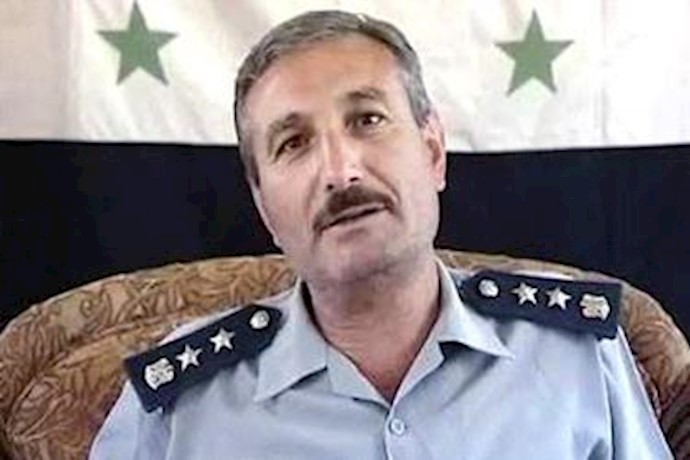
Reuters, Beirut, 19 Nov 2011 – The leader of Syria’s army deserters has denied in a television interview weapons are being smuggled from abroad to defectors, after Damascus accused neighboring states of allowing arms to flow across their borders.
‘There is no smuggling – not even a single bullet has passed from Turkey into Syrian territory,’ Colonel Riad al-Asaad, who is based in southern Turkey, told Al Jazeera television on Saturday.
‘Turkey until now has not offered us any military aid, or any kind of security support.’
Monday, Syria’s Foreign Minister Walid al-Moualem accused its neighbors, and especially Turkey, of allowing weapons to flow across its borders to defectors.
Damascus says an Arab League peace initiative, which calls for an end to violence and the withdrawal of Syrian government forces from urban centres, is impossible to implement if it faces armed resistance and weapons smuggling to the defectors.
Colonel Asaad says there are more than 15,000 deserters in the Free Syrian Army, fighting against Syria’s crackdown on an eight-month-old protest movement demanding an end to President Bashar al-Assad’s rule.
Syria blames the violence on foreign-backed ‘terrorist’ gangs and says they have killed some 1,100 soldiers and police.
Colonel Asaad said all the Free Syrian Army’s weapons were brought by defectors when they deserted from the Syrian security forces, seized in raids on the regular army or were purchased inside the country.
‘The regime knows that there are men who will sell weapons for a little cash,’ he said. ‘We are not getting any weapons from abroad.’
The Arab League set a Saturday deadline for Syria to halt bloodshed in the country, which the United Nations says has left at least 3,500 dead since the revolt against the Assad family’s 40-year rule began in March.
The organization suspended Syria’s membership last week and has threatened economic and political sanctions.
Asaad said more defectors would swell his groups’ ranks if there were protected buffer zones for them to flee to.
‘Soldiers and officers in the army are waiting for the right opportunity,’ he said. ‘Right now we’re suffering from Syrian planes which are being used in Homs, Rastan and Jabal-al-Zawiya.’
Many countries, including the United States, have expressed concern Syria could slip into civil war but have dismissed the possibility of foreign military intervention like the NATO operation that helped Libyan rebels topple Muammar Gaddafi.
Asaad said his men did not want any direct intervention other than a no-fly zone and weapons supplies: ‘That way we can defend our people with greater strength and achieve our goal of toppling the regime.’
Dissident Syrian colonel: no arms smuggled into Syria
RELATED ARTICLES