
Reuters, Doha, 3 August 2015
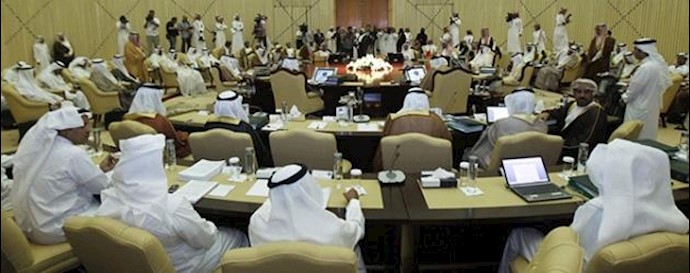
Iran’s nuclear deal should bring stability and “good neighborliness” rather than interference, Gulf Arab states told U.S. Secretary of State John Kerry on Monday as they began talks on the merits of its historic accord with world powers.
Qatari Foreign Minister Khalid al-Attiyah, welcoming Kerry to Qatar for the talks with the six countries of the Gulf Cooperation Council (GCC), said the alliance wanted to spare the region “from any dangers and threats from nuclear weapons”.
This should be done by authorizing the use of nuclear technology for peaceful purposes in line with international rules, he said, speaking for the GCC as host of the meeting.
Most Gulf Arab states are worried that Iran’s July 14 accord with the United States and other powers will hasten detente between Tehran and Washington and embolden the Islamic republic to support paramilitary allies in the region.
Speaking in Egypt on Sunday, Kerry said the United States had labeled Iran the world’s number-one state sponsor of terror Kerry added that he would discuss ways to ensure the future security of the region in Doha.
In the Qatari capital, Kerry was to meet members of the Gulf Cooperation Council that groups Saudi Arabia, the United Arab Emirates, Bahrain, Kuwait, Oman as well as Qatar.
RUSSIAN GO-BETWEEN ROLE
He will also hold trilateral talks with Russian counterpart Sergei Lavrov and Saudi Foreign Minister Adel al-Jubeir that U.S. officials say will focus on the war in Syria.
Russia has been trying to bring about rapprochement between the Syrian government and regional states including Saudi Arabia and Turkey to forge an alliance to fight Islamic State militants who have taken large amounts of territory in Syria’s civil war.
Kerry said last month he planned to discuss with Lavrov combating Islamic State and the role Iran could play.
Nonetheless, Iran remains in a struggle with Saudi Arabia and its allies for regional primacy. A deadly bombing in Bahrain last week, which the government linked to Iran, was taken by many as a sign Tehran cannot be trusted.
U.S. officials say Kerry’s diplomatic outreach in Doha is a follow-up to a summit with Gulf Arab leaders that was called by President Barack Obama at Camp David in May and was snubbed by the leaders of Bahrain and Saudi Arabia.
At that meeting Obama replied to worries among Gulf states about the Iran deal by pledging to back them against any “external attack”. He stopped short of offering a formal defense treaty that some Gulf states wanted. Instead he announced more modest measures, including integrating ballistic missile defense systems and beefing up cyber and maritime security.