AFP-Dec. 7, 2014-Iran unveiled a draft budget Sunday for next year based on oil prices remaining around $70 per barrel.
With international prices at five-year lows on the back of oversupply worries and a stronger dollar, major oil producers are having to juggle their finances to compensate for lower than expected revenues.
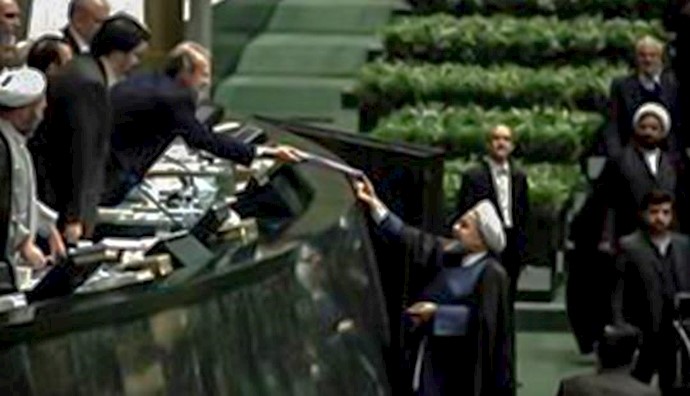
Rouhani admitted the budget for the fiscal year starting in March 2015 “would be under pressure” given the big fall in oil prices in recent months, from above $100 to less than $70.
“Such a drop is unprecedented,” he said in a speech to parliament carried live on state television, noting that the government had been cautious in its forecasts.
Iran has the world’s fourth largest proven oil reserves and currently exports around 1.3 million barrels per day.
However, Rouhani said oil revenues earmarked for the budget would be $24 billion next year, down from $27.5 billion, meaning less than half the government’s income would come from exported crude.
Iran had already announced some tax rise plans on the back of the recent oil price fall, along with increases in non-oil exports.
Next year’s non-oil-based revenues will constitute more than half the government’s total income, rising to 53 percent from the current 47 percent, according to forecasts. Total spending will rise 8.5 percent.
Civil service salaries will rise 14 percent in paper terms, but Iran’s inflation rate is currently between 17-18 percent, according to Rouhani, having been above 40 percent when he took office in 2013.
Under Iran’s budget process, MPs have 10 days to propose modifications to parliamentary committees that lay out specific spending plans for government departments.
The committees then have 15 days to present their reports to the budget commission which has an additional 15 days to present the final draft plan back to parliament to be voted on point by point.