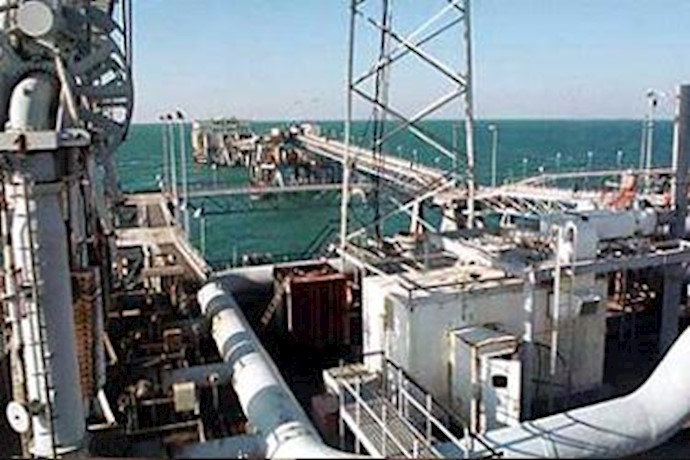
The Washington Post, 15 Jan 2012 – The price of crude oil and growing tensions with Iran are bubbling to the top of economists and policymakers worry lists for 2012, as U.S. and European Union sanctions threaten to reduce the sales of Iranian oil and put pressure on one of the world’s largest petroleum exporters.
‘It’s been in the background for quite some time’, said Edward Yardeni, a leading investment strategist. ‘I’ve characterized it as one of the four horsemen of the apocalypse for 2012. Now it’s come from behind to be at the head of the pack.’
Japan has also said it would trim its purchases of Iranian oil. Japan imported more than 300,000 barrels a day of oil from Iran in the first 11 months of 2011, according to the International Energy Agency. That provided 10 percent of Japan’s oil imports. While Iran’s customers are looking for new supplies, Iran is looking for new customers.
Oil exports are the country’s main source of income, providing $73 billion of revenue in 2010 and covering half the national budget, according to Energy Department figures.
The world’s spare oil production, recently about 4 percent of daily production of 89 million barrels, is important in maintaining stable prices. If sanctions did block Iranian sales, part of that spare capacity would be used. Deutsche Bank’s Sieminski says he has three normal or standard worries: Can the Federal Reserve get the U.S. economy going? Can the Europeans solve their sovereign debt problem? And will China have a soft landing? He said that, now, on top of that we have geopolitical concerns mostly related to oil.
‘The oil fears are at odds with the others. With the macroeconomic issues, the worry is that we won’t get enough oil demand. With the geopolitical issues we worry that we won’t have enough oil supply’, he said. ‘As a result’, he predicted, ‘we had a lot of oil price volatility in 2011 and it doesn’t look like 2012 is going to improve much.’