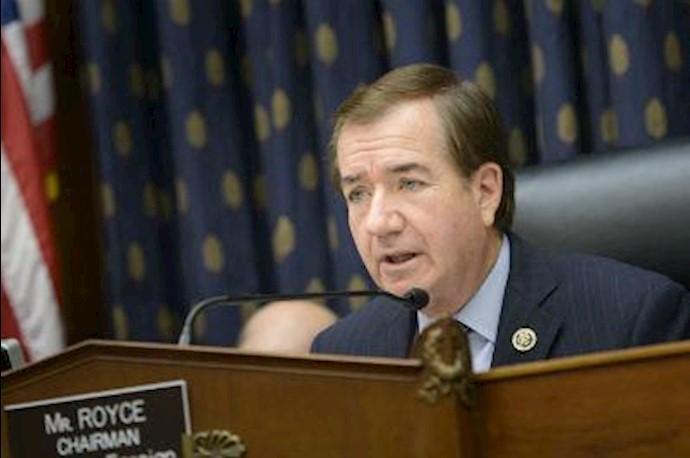
A deal between Iran and Boeing for the purchase of more than 100 commercial airliners prompted strong objections in Congress on Wednesday even before the agreement is finalized.
“To say we have national security concerns would be an understatement,” U.S. Rep. Peter J. Roskam, R-Ill., said a day after Iran’s minister of roads and urban development told the semi-official Iranian FARS news agency that a deal would be announced this week. “Boeing and the Islamic Republic should know the U.S. Congress will not look favorably upon any deal that jeopardizes the safety and security of the American people.”
If approved, the multi-billion-dollar agreement would mark the first time new American aircraft have been sold to Iran since the 1979 Islamic Revolution, which led to four decades of estrangement between the two nations
It also would be the largest commercial agreement between a U.S. company and Tehran since some sanctions were lifted six months ago as part of the agreement Iran signed with the Obama administration and five other world powers last July. The accord aims to stop Iran from developing nuclear weapons in exchange for lifting sanctions that have crippled the Islamic Republic’s economy.
Chicago-based Boeing declined Wednesday to confirm that a deal has been reached. The deal would come several months after European consortium aircraft manufacturer Airbus signed a deal to sell 73 wide-body planes and 45 single-aisle planes to Iran for commercial use in a deal that media reports said is worth $27 billion.
Final approval is needed from the U.S. government because remaining sanctions currently ban the use of dollars in trade with Iran.
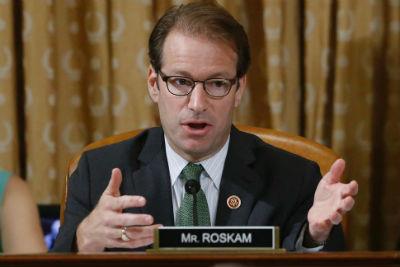
What’s more, Republican lawmakers like Roskam who opposed the Obama administration’s nuclear agreement with Iran also object to the airline transaction. Roskam is one of three Republican members of Congress from Boeing’s Chicago base who urged the company in May to reject the deal because the Iranian airline had used its planes “to ferry troops, weapons and cash” to support terrorism.
On Wednesday, Roskam expressed concern about an “iconic American company” doing business with “terrorism’s central bank.”
Rep. Ed Royce, R-Calif., chairman of the House Foreign Affairs Committee, predicted that the Obama administration would support the agreement.
“Instead of increasing pressure on Iran after the nuclear deal, as President Obama promised, the administration has become Tehran’s cheerleader,” Royce said in a statement to USA TODAY.
A professor of business and international affairs at George Washington University who studies Iran, said the country desperately needs the deal to upgrade its dilapidated fleet of commercial planes, boost employment and find a financing arrangement with European banks or even U.S. banks.
Iran is seeking to replace about 400 planes to modernize its aged fleet, Reuters reported.
Source: USA Today, 16 June 2016