

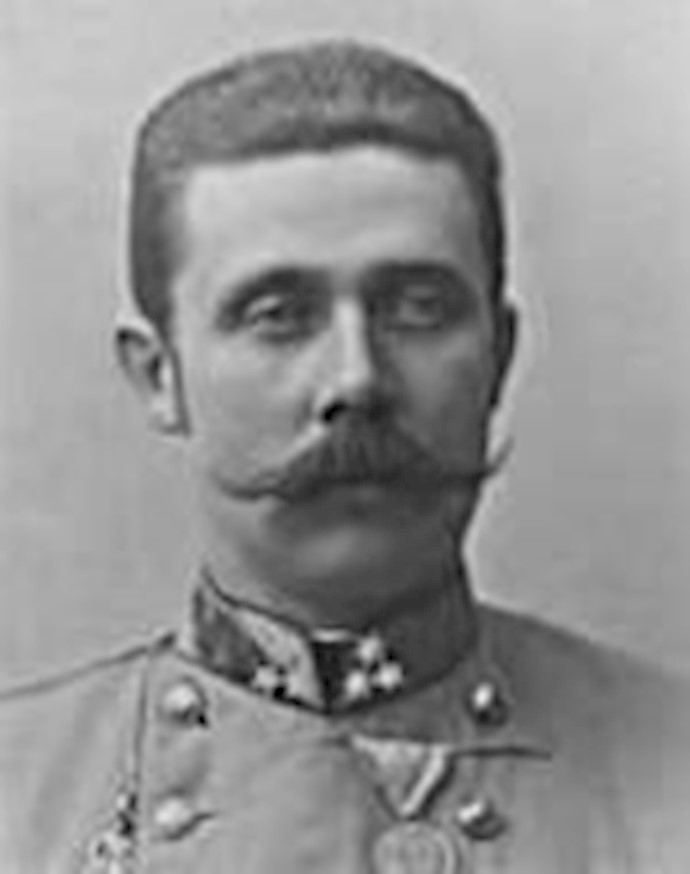
The diplomatic crisis was triggered on June 28, 1914, when the heir to the throne of Austria-Hungary, Archduke Francis Ferdinand, and his wife were assassinated in Sarajevo, the capital of Bosnia and Herzegovina. The archduke had traveled to Sarajevo to direct the maneuvers of the two army corps stationed there. Austria-Hungary had annexed Bosnia and Herzegovina in 1908, and the archduke’s presence in Sarajevo enraged Serbs living in Bosnia who resented Austria-Hungary’s rule and regarded the military presence as an affront to their nationalist aspirations.
On June 28, 1914, Serbian nationalists assassinated Austrian Archduke Francis Ferdinand and his wife during the couple’s official visit to Bosnia and Herzegovina. The act brought to a head longstanding tensions between Austria and Serbia concerning Austria’s dominance in the Balkans. The assassins were put on trial and convicted, but Austria’s demand for a larger role in Serbian affairs led directly to war between the two countries and, eventually, to World War I (1914-1918).