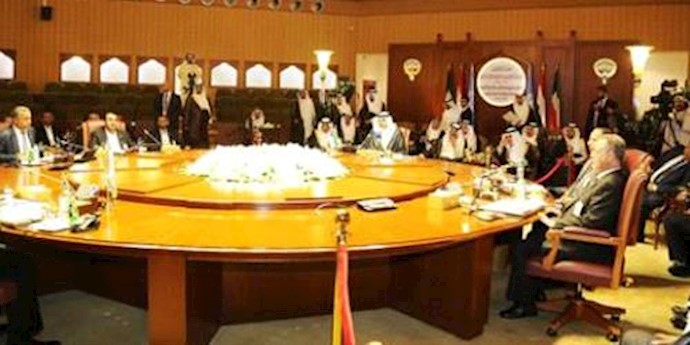
KUWAIT CITY – Yemen’s warring parties held a new session of peace talks in Kuwait on Saturday under pressure to firm up a fragile ceasefire that went into effect on April 11.
“The meeting has started,” Charbel Raji, spokesman for UN envoy Ismail Ould Cheikh Ahmed, told AFP, without providing details.
Ould Cheikh Ahmed told a press conference on Friday that the delegations had “constructive” negotiations and were committed to firming up the ceasefire.
He acknowledged that the truce was still only between 70 and 80 percent respected and said there were violations.
Sources close to the government delegation said it would submit a complaint listing 260 ceasefire breaches by the Houthis on Friday alone.
Houthis delegation spokesman Mohamed Abdulsalam said the priority was to end the fighting that has killed more than 6,800 people and driven 2.8 million from their homes since March last year.
“Stopping the war and all forms of military action is the priority of the Yemeni people and the priority of their representatives,” he said on Facebook.
Third city Taez, where forces loyal to President Abedrabbo Mansour Hadi have been under rebel siege for months, has been a particular source of friction.
Three Houthi and two loyalists were killed on Saturday in fierce fighting in Kirsh, a town on the main highway to Taez from the southern port of Aden where Hadi’s government is based, military sources said.
The government delegation is to press for the swift implementation of a package of confidence-building measures agreed at the last — abortive — round of peace talks in Switzerland in December.
They include the release of prisoners and the lifting of blockades and other obstacles to the the delivery of relief supplies.
The warring sides already carried out two prisoner exchanges last month.
The hard-won negotiations in Kuwait opened on Thursday evening following the delayed arrival of representatives of the Houthi and allied forces loyal to ousted president Ali Abdullah Saleh.
Yemen has been riven by fighting since a Saudi-led coalition launched a military offensive last year against Iran-backed Houthi, who had seized the capital and much of the rest of the country.
The conflict has stoked tensions between Saudi Arabia and Iran, which has been smuggling weapons to the Houthi forces.
Previous UN-sponsored peace efforts failed to make any headway, and the last ceasefire in December was repeatedly violated and eventually abandoned by the Arab coalition on January 2.
But the UN envoy said the latest truce and negotiations offered a unique chance to end the violence.
UN Security Council Resolution 2216, which is seen as a basis for any peace plan, states that the Houthis must withdraw from seized territories and disarm before talks can progress.
Source: AFP, 23 April 2016