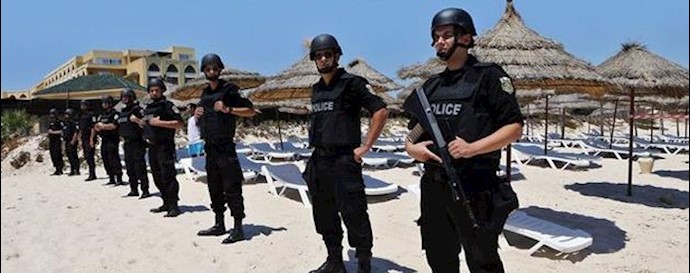
Tunisia’s emergency law temporarily gives the government more executive flexibility, hands the army and police more authority, and restricts certain rights such as the right to public assembly.
The attack on the Sousse beach resort last Friday followed a gun attack on the Bardo museum in Tunis in March: two of the worst militant assaults in Tunisia’s modern history, and a pressing threat to its vital tourist industry.
Tunisian officials say all three gunmen in those two attacks had been trained at the same time, over the border in jihadist camps in Libya, where a conflict between two rival governments has allowed Islamist militant groups to gain ground.
Tunisia last had a state of emergency during the 2011 uprising against autocrat Zine el-Abidine Ben Ali.