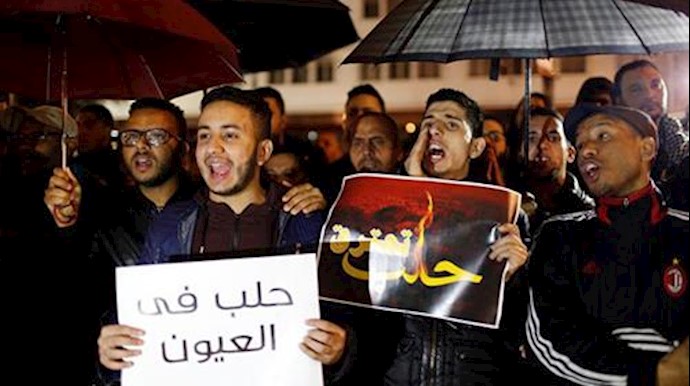
Reuters, Dec 20, 2016 – An operation to evacuate civilians and fighters from rebel-held eastern Aleppo has brought out 37,500 people since late last week and the goal is to complete the process by Wednesday, Turkish Foreign Minister Mevlut Cavusoglu said.
But it is hard to know if that goal is realistic, given the problems that have beset the evacuation plan so far, and the wide variation in estimates of how many had left and how many still remained. The International Committee of the Red Cross put the number evacuated since Thursday at only 25,000.
A rebel official in Turkey told Reuters that even after thousands had left on Monday, only about half of the civilians who wanted to leave had done so.
The insurgents would only leave once all the civilians who wanted to go had departed, the rebel said. The ceasefire and evacuation agreement allows them to carry personal weapons but not heavier arms.
Estimates of the number of people waiting for evacuation range from a few thousand to tens of thousands.
The United Nations said Syria had authorized the world body to send 20 more staff to east Aleppo who would monitor the evacuation.
A U.N. official said 750 people had been evacuated from the two besieged government villages of Foua and Kefraya, which government forces had insisted must be included in the deal to bring people out of Aleppo.
The evacuations are part of a ceasefire arrangement that ends four years of fighting in Aleppo, once Syria’s most populous city.
Conditions for those being evacuated are grim, with evacuees waiting for convoys of buses in freezing winter temperatures. An aid worker said that some evacuees had reported children had died during the long, cold wait.
Despite the capture of Aleppo and progress against insurgents near Damascus, the fighting is far from over, with large areas remaining in rebel control in the northwestern countryside and in the far south.
The jihadist group Islamic State also controls swathes of territory in the deserts and Euphrates river basin in eastern Syria.
U.N. Syria mediator Staffan de Mistura intends to convene peace talks in Geneva on Feb. 8.
Assad is backed by Russian air power and Shi’ite militias including Lebanon’s Hezbollah movement and Iraq’s Harakat al-Nujaba. The mostly Sunni rebels include groups supported by Turkey, the United States and Gulf monarchies.
For four years, the city was split between a rebel-held eastern sector and the government-held western districts. During the summer, the army and its allies besieged the rebel sector before using intense bombardment and ground assaults to retake it in recent months.