
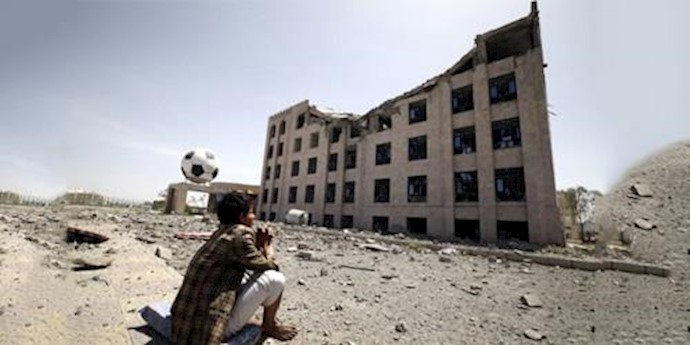
UNITED NATIONS, REUTERS, 12 Feb 2016– Saudi Arabia, which is leading air strikes against rebels in neighboring Yemen, has warned the United Nations and international aid groups to protect staff by removing them from areas held by Yemen’s Houthi rebels, according to a letter that was seen by Reuters on Thursday.
The short note sent by the Saudi Embassy in London on Friday said the intention was to “protect the international organizations and their employees,” presumably from coalition air strikes.
The Saudi ambassador to the United Nations in New York, Abdallah Al-Mouallimi, told Reuters that Riyadh sent the letter because, “We’re just concerned for the safety of the U.N. staff and their humanitarian agencies.
“We want them to go away from areas that are obvious targets,” he said.
Saudi Arabia leads a coalition of nine Arab countries that began a military campaign in March to prevent Iran-allied Houthi rebels from taking complete control of Yemen.
U.N. aid chief Stephen O’Brien acknowledged receipt of the note in a Sunday letter seen by Reuters and said the humanitarian community would continue to deliver aid across Yemen impartially on the basis of need.
The Saudi mission to the United Nations said on Monday that Riyadh would “do its utmost to continue to facilitate and support” humanitarian aid work in Yemen, while also repeating its request for U.N. and international aid workers to leave areas close to Houthi bases for military operations.
“The coalition’s request is consistent with its obligations under international humanitarian law and, in no way, can be misinterpreted to indicate any hindrance to humanitarian access and the delivery of humanitarian assistance in Yemen,” it said.
The U.N. Security Council is due to discuss the humanitarian situation in Yemen on Tuesday at the request of Russia, diplomats said.
The Houthis and their allies, forces loyal to former Yemen President Ali Abdullah Saleh, accuse the coalition of launching a war of aggression.
Nearly 6,000 people have been killed since last March, almost half of them civilians.