


Sanaa – Saudi lead forces have stepped up air campaigns in Yemen. Targets include the home of the deposed president Ali Abdullah Saleh. Air strikes have also targeted control centers, a communications complex, a landmine factory and other rebel positions across Yemen’s northern Saada province bordering Saudi Arabia, as Riyadh vowed “harsh” punishment for deadly cross-border bombardments, even after proposing a humanitarian ceasefire, which is due to start on Tuesday.
Witnesses in Saada said coalition jets dropped leaflets urging residents to leave and an AFP correspondent in Sanaa reported scores of families arriving on Friday.
The coalition warned that “all of Saada will be a military target to coalition strikes after 7:00 pm (1600 GMT)” Friday, Saudi media said.
Saudi Arabia, which has led six weeks of air strikes on Yemen in support of exiled President Abedrabbo Mansour Hadi, warned Thursday that Iran-backed Shiite Huthi rebels had crossed a “red line” by shelling populated border areas in the kingdom.
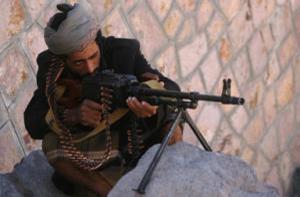
A Yemeni fighter from the Popular Resistance Committees loyal to leader Abedrabbo Mansour Hadi
“The equation is different, the confrontation is different, and they will pay a harsh and expensive price,” coalition spokesman Brigadier General Ahmed al-Assiri said.
“The safety of Saudi Arabia is a top priority for the coalition and the Saudi armed forces. It is a red line they crossed.”
Riyadh has repeatedly accused Iran of arming and funding the Huthis.
Assiri’s warning came just hours after US Secretary of State John Kerry urged the rebels to accept Riyadh’s offer of a five-day renewable humanitarian ceasefire.
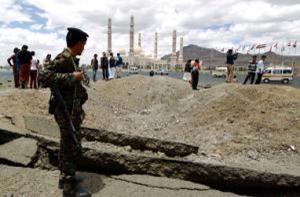
A Yemeni soldier inspects a crater left following a reported airstrike by the Saudi-led coalition
UNICEF warned that fuel in Yemen may run out in less than a week, complaining that humanitarian access is being blocked by many parties to the conflict.
Coalition warplanes hit Huthi positions in the city of Amran, north of Sanaa, witnesses said.