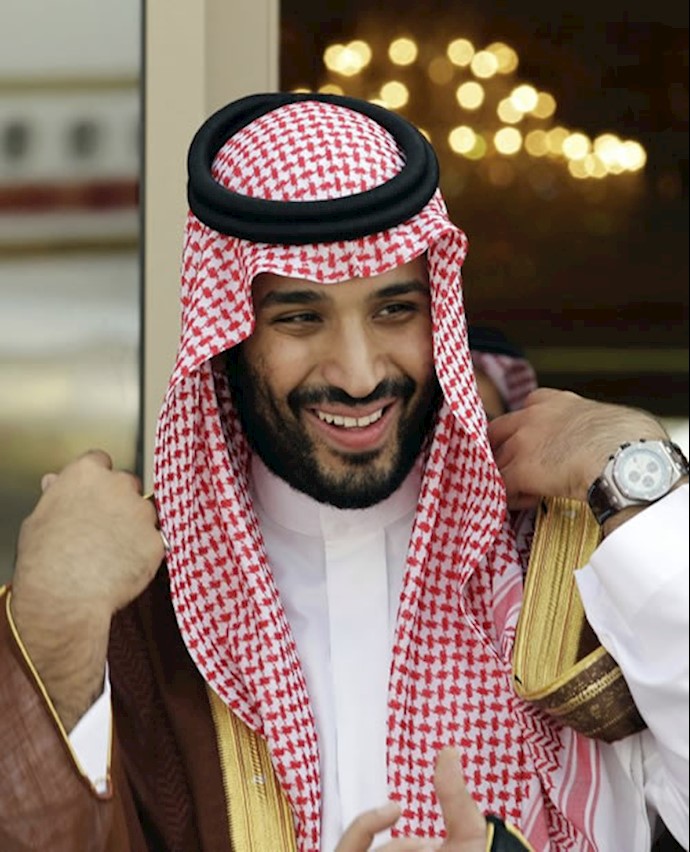
RIYADH, Saudi Arabia, AP, June 21, 2017 — Saudi Arabia’s King Salman on Wednesday appointed his 31-year-old son Mohammed bin Salman as crown prince, placing him first-in-line to the throne and removing the country’s counterterrorism czar and a figure well-known to Washington from the line of succession.
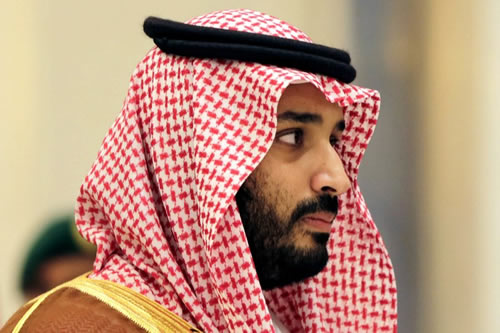
FILE- In this Nov. 11, 2015 file photo, Saudi Arabian Deputy Crown Prince Mohammed bin Salman attends a summit of Arab and Latin American leaders in Riyadh, Saudi Arabia.
The monarch stripped Prince Mohammed bin Nayef from his title as crown prince and from his powerful position as the country’s interior minister overseeing security. The announcements were made in a series of royal decrees carried on the state-run Saudi Press Agency.
The all-but-certain takeover of the throne by Mohammed bin Salman awards near absolute powers to a prince who has ruled out dialogue with rival Iran, has moved to isolate neighboring Qatar for its support of Islamist groups and who has led a war in Yemen that has killed thousands of civilians.
The prince already oversees a vast portfolio as defense minister and is spearheading economic reforms. He has become popular among some of Saudi Arabia’s majority youth for pushing reforms that have opened the deeply conservative country to entertainment and greater foreign investments as part of an effort to overhaul the economy , including plans to list a percentage of the state-run oil giant Aramco.
The young prince was little known to Saudis and outsiders before Salman became king in January 2015. He had previously been in charge of his father’s royal court when Salman was the crown prince.
The Saudi monarch quickly awarded his son expansive powers and named him deputy crown prince two years ago to the surprise of many within the royal family who are more senior and more experienced than Mohammed bin Salman, also known by his initials MBS.
The appointment of such a young royal as the immediate heir to the throne essentially sets Saudi policy for decades and removes the challenge of uncertainty.

FILE – In this May 14, 2012 file photo, Prince Mohammed bin Salman waits for Gulf Arab leaders ahead of the opening of Gulf Cooperation Council summit, in Riyadh, Saudi Arabia.
“He could be there for 50 years,” said Kristian Coates Ulrichsen, a research fellow at the James A. Baker III Institute for Public Policy at Rice University. “If you look at it positively, it is basically setting Saudi Arabia’s course into the 21st century.”
Another young prince also ascended to power on Wednesday. Prince Abdulaziz bin Saud, 33, was named the new interior minister tasked with counterterrorism efforts and domestic security. His father is the governor of Saudi Arabia’s vast Eastern Province, home to much of the country’s oil wealth and most of its minority Shiites. He previously served as an adviser to the interior and defense ministries.
The new interior minister is Mohammed bin Nayef’s nephew, while Mohammed bin Salman is the former crown prince’s cousin. All hail from the powerful Sudairi branch of the royal family.
The royal decree issued Wednesday stated that “a majority” of senior royal members from the so-called Allegiance Council support the recasting of the line of succession. However, that vote of support appears to have been from a past gathering of the council two years ago when Mohammed bin Salman was named second-in-line to the throne, and Mohammed bin Nayef was named successor.
The Allegiance Council is a body made up of the sons and prominent grandsons of the late King Abdul-Aziz, the founder of the Saudi state. They gather in secret and vote to pick the king and crown prince from among themselves. The council does not appear to have met again before Wednesday’s sudden change.
Over the weekend, the king had issued a decree restructuring Saudi Arabia’s system for prosecutions that removed Mohammed bin Nayef’s oversight of criminal investigations, and instead ordered that a newly-named Office of Public Prosecution report directly to the monarch.
Saudi-U.S. relations had cooled under the Obama administration after Washington pursued a nuclear accord with Shiite-majority Iran that the Sunni-ruled kingdom strongly opposed.
The warm ties forged between Riyadh and Washington under the Trump administration may have helped accelerate Mohammed bin Salman’s ascension as crown prince.
The U.S. already is helping the Saudis with intelligence and logistical support for the bombing campaign in Yemen, and the Trump administration has signaled it could assist with greater intelligence support to counter Iranian influence there.