
October 14, 2014 Joint Base Andrews
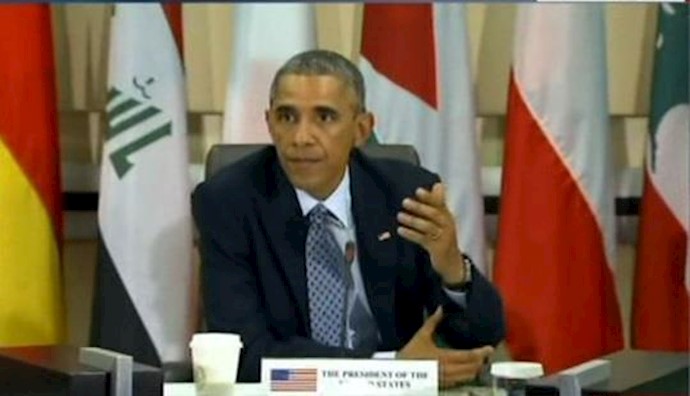
US president Barack Obama met with defense ministers from more than 20 defense ministers who are part of a coalition in fighting against ISIS. President Obama said at this stage, some 60 nations are contributing to this coalition, including more than 20 coalition members who are represented here today — among them; Iraq, Arab nations, Turkey, NATO Allies, and partners from the world. So this is an operation that involves the world against ISIL.
Obviously, at this point, we’re also focused on the fighting that is taking place in Iraq’s Anbar Province, and we’re deeply concerned about the situation in and around the Syrian town of Kobani, which underscores the threat that ISIL poses in both Iraq and Syria. And coalition airstrikes will continue in both these areas.
One of the things that has emerged from the discussions, both before I came and during my visit here, is that this is going to be a long-term campaign. There are not quick fixes involved. We’re still at the early stages. As with any military effort, there will be days of progress and there are going to be periods of setback.
But our coalition is united behind this long-term effort. Our nations agree that ISIL poses a significant threat to the people of Iraq and Syria. It poses a threat to surrounding countries. And because of the numbers of foreign fighters that are being attracted, and the chaos that ISIL was creating in the region, ultimately it will pose a threat beyond the Middle East, including to the United States, Europe, and far-flung countries like Australia that have already seen terrorist networks trying to infiltrate and impact population centers on the other side of the world.
What we’re also fighting is an ideological strain of extremism that has taken root in too many parts of the region. We are dealing with sectarianism and political divisions that for too long have been a primary political, organizational rallying point in the region. We’re dealing with economic deprivation and lack of opportunity among too many young people in the region.
And so one of the interesting things to hear from our military leadership is the recognition that this cannot simply be a military campaign. This has to be a campaign that includes all the dimensions of our power. We have to do a better job of communicating an alternative vision for those who are currently attracted to the fighting inside Iraq and Syria.
It is going to be absolutely critical to make sure that the political inclusion that Prime Minister Abadi of Iraq is committed to is actually translated into real progress. It’s going to require us developing and strengthening a moderate opposition inside of Syria that is in a position then to bring about the kind of legitimacy and sound governance for all people inside of Syria.
And so, in addition to denying ISIL safe haven in Iraq and Syria, in addition to stopping foreign fighters, in addition to the intelligence gathering and airstrikes and ground campaigns that may be developed by the Iraqi security forces, we’re also going to have to pay attention to communications.
Remarks by the President Obama after meeting with chiefs of defense
RELATED ARTICLES