The Times, March 5, 2010 – Iraqis have long been lectured about the merits of democracy but the concrete rewards remained elusive – until now. The leaders of newly democratic Iraq are showering voters with gifts before elections on Sunday, and none with more aplomb than Nouri al-Maliki, the Prime Minister.
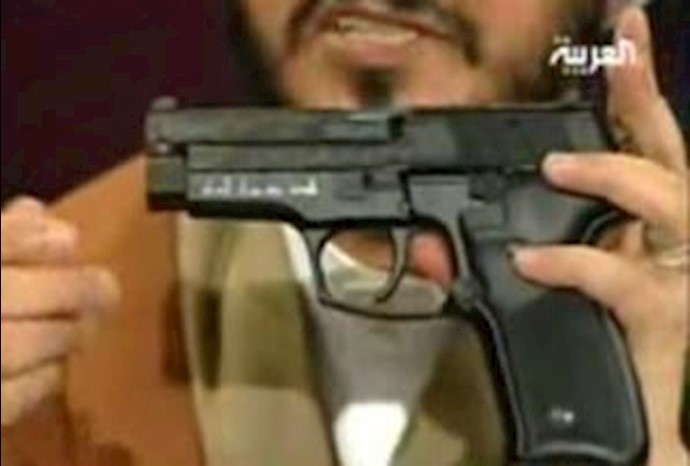
Lavish feasts for thousands of his supporters have contributed to a lamb shortage in Baghdad, driving up the price by almost 50 per cent to £10 per kilo. Hundreds of tribal leaders in southern Iraq have received pistols engraved with “A gift from the Prime Minister”. One of his officials said they were worth at least £200 each.
Nothing, though, tops Mr al-Maliki’s treat for the northern city of Samarra, home to one of the most revered Shia Muslim shrines and until recently a sectarian battleground. It was attacked by Sunni Muslim insurgents after the last election and lay in ruins for much of the past four years.
In recent months, efforts to resurrect its famed golden dome have miraculously picked up momentum. Workers are preparing to cover a newly erected onion-shaped dome with 72,000 tiles plated with a 1mm layer of 18-carat gold.
A large sign on the roof of the shrine announces whom pilgrims should thank: the Prime Minister.
Mr al-Maliki is hoping to win re-election on Sunday on the basis of his record as the first post-invasion Prime Minister who served a full term in office. He has made Iraq a somewhat safer place. Hundreds of people still die violently every month but a few years ago it was more than a thousand. “Our victory is certain,” he said yesterday.
Mr al-Maliki is the front runner despite having failed to bring about reconciliation between the sects or an economic recovery creating much needed jobs.-
In Samarra, a Sunni city, the situation is symptomatic. A 15ft blast wall separates the Shia shrine from shops, restaurants and hotels that have served it for centuries.-
More than a million Shia pilgrims a year walk through a quarter-mile concrete safety corridor from the car park to the shrine gate without spending anything or even seeing a Sunni. Many local businesses have closed because of security measures rather than violence.
That makes gifts from politicians all the more attractive. Watches and phone cards are popular, and in rural areas more than a few chickens have been handed out. “The best thing I got was free petrol,” said Aras Karim, 34, a taxi driver from Sulaimaniyah, a Kurdish stronghold.
Politicians from fringe parties who have less money to spend have complained about voter gifts. “In Arab tradition we have gifts but they are social gifts given to promote friendly ties. This kind of gift for a personal interest is frowned upon,” said the sociology professor Khalid al-Muhammedi.