
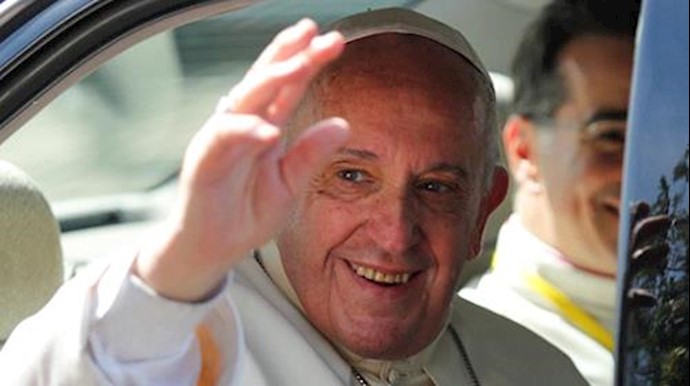
YANGON (Reuters) NOV. 30, 2017— Pope Francis flew to Bangladesh on Thursday after a visit to Myanmar where he made no direct reference to the plight of Muslim Rohingya people to avoid a diplomatic incident with a Buddhist-majority country some have accused of ethnic cleansing.
There will be no such balancing act for the pope in Bangladesh’s capital, Dhaka, where he is expected to meet a group of Rohingya refugees from among the roughly 625,000 who have fled neighboring Myanmar since the end of August.
The Vatican on Wednesday defended the pope’s decision not to use the word “Rohingya” in public during his four-day Myanmar trip, saying his moral authority was unblemished and that his mere presence drew attention to the refugee crisis.
But a Vatican news conference in Yangon to wrap up the visit only served to highlight the diplomatic minefield that the issue had presented for Francis.
Spokesman Greg Burke said the pope’s decision not to refer to the Rohingya did not take away from anything he has said in the past – he had mentioned them and their suffering before his Myanmar visit – but added that Vatican diplomacy was “not infallible” and others were entitled to their views.
Muddying the waters for the Vatican delegation, a Myanmar regional bishop cast doubt at the same news conference about allegations of ethnic cleansing, suggesting “other communities” might be responsible for stoking them.
“When we speak of the truth, we should go to an authoritative source or a reliable source to get the news … Those who criticize should go to the scene to study the reality and history,” Bishop John Hsane Hgyi said.
The Global New Light of Myanmar, a state-run daily, seized on the bishop’s comments, putting a banner headline on its front page that read “Reports of ethnic cleansing in Rakhine is not reliable: Myanmar church”.