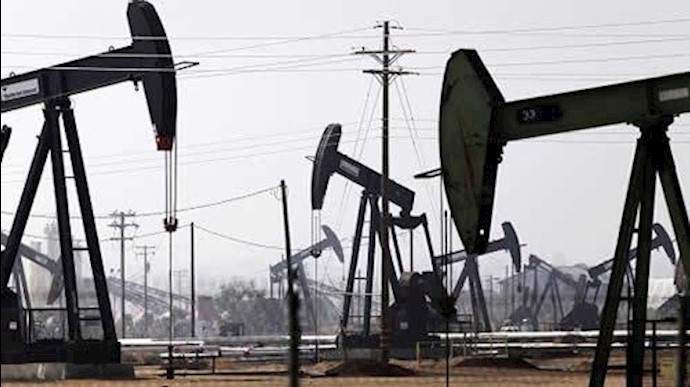
Oil prices slipped after advancing earlier on Thursday and the previous day as overproduction and large volumes of unsold crude and ample refined products around the world weighed on markets.
U.S. West Texas Intermediate (WTI) crude futures were trading at $40.51 per barrel down 32 cents at 6:15 a.m ET (1015 GMT), after rising 3.3 percent in the previous session.
International Brent crude futures were trading at $42.58 a barrel, down 52 cents.
The gains on Wednesday and Thursday in both WTI and Brent marked at least a temporary end to a sharp downward trend that began in June and pulled some 20 percent from their values.
“Prices began to recover following the publication of the U.S. inventory data on Wednesday, and continued to do so into the morning,” Commerzbank said in a note.
U.S. gasoline stocks dropped 3.26 million barrels to 238.2 million barrels last week, according to the U.S. Energy Information Administration (EIA), against expectations for a draw of around 200,000 barrels.
But crude inventories rose by 1.4 million barrels, compared with analysts’ expectations for a decrease by as many barrels.
“Maybe the surprise drawdown in gasoline inventories helped future prices remain stable but that does not change the fact: the U.S. is flooded with oil,” said Tamas Varga, lead oil analyst at London brokerage PVM Oil Associates.
Elsewhere, Iraq’s crude oil production in July rose to the highest level since January, to 4.632 million barrels-per-day compared with 4.559 million bpd in June, state-run oil marketer SOMO said on Thursday.
U.S.-based Schork Report said the earlier price gains were a result of profit-taking from previous short positions that benefited from falling prices along with a fall in the U.S.-dollar since July.
The dollar has lost 2 percent since late July against a basket of other leading currencies as expectations of a rate increase faded. As oil is traded in dollars, a weaker U.S. currency makes fuel purchases for countries with other currencies cheaper, potentially spurring demand.
With overall oil market conditions still weak, and production overhangs in both crude and refined products continuing to weigh, traders said Wednesday’s and Thursday’s price rises would likely be reined in.
And despite cheap crude feedstocks thanks to oversupply, refineries do not expect to make much more money going forward.
“In 2012-2014 Brent averaged $106 per barrel… and refining margins $3 per barrel … In 2016-2018 consensus expects average Brent of $56 per barrel… and $3 per barrel refining margins,” researchers at AB Bernstein said on Thursday.
Source: Reuters, 4 Aug 2016