
In Washington, the preliminary election results are likely to be viewed as a worrisome sign for Iraq, as many top American officials were hoping to see Maliki go.
It was the United States government that gave crucial support to Maliki when he became prime minister in 2006, and again, though with greater reluctance, in 2010.
Now, though, many argue that Maliki has divided the country, pursuing policies like the mass arrest of Sunnis in the name of fighting terrorism that have heightened sectarian divisions and brought the country to the brink of another civil war.
Maliki and his coalition won 93 seats in Iraq’s 328-seat Parliament, more than three times as many as the second-place finisher, the Islamic Supreme Council of Iraq, headed by the Shiite cleric Ammar al-Hakim, which won 29 seats. Maliki also did better than in 2010, when he came in a close second to a largely Sunni coalition that was led by a secular Shiite, Ayad Allawi, a former prime minister.
Another Shiite rival to Maliki, a coalition aligned with the Shiite cleric Moktada al-Sadr, won 28 seats. Together Mr. Hakim and Mr. Sadr, who oppose another term for Maliki, are expected to seek the support of Kurds and Sunni Arabs to unite and form a government.
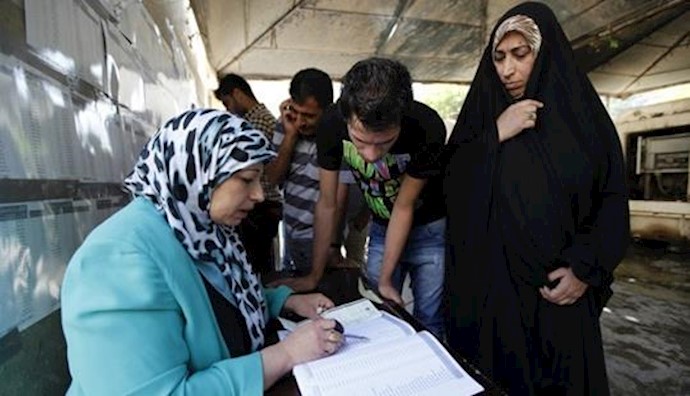
Iraq elections results worrisome for many top US officials: New York Times
RELATED ARTICLES