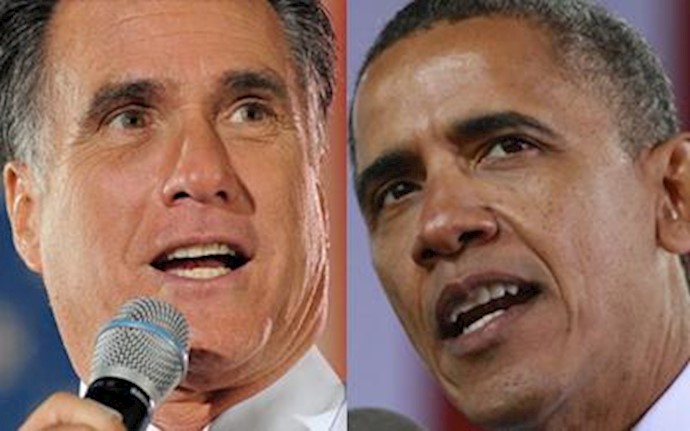
The Wall Street Journal, 23 Oct 2012 – President Barack Obama and challenger Mitt Romney will contrast their stands on matters of international importance in Monday night’s final presidential debate, which starts at 9 p.m.
As the Journal noted today, the stakes could hardly be higher for the candidates, with polls showing the race in a dead heat. The administration’s handling of the September Libyan consulate assault has provided Mr. Romney an opening on foreign affairs, and the subject was a fiery one in last week’s debate.
Here is a rundown of the candidates’ foreign-policy stances:
Syria
Obama: Has called on Assad to step down; provide non-lethal aid and training to the rebels. Backs efforts by other countries to send arms.
Romney: Wants more support for rebels; will help rebels who share U.S. values; and “ensure they obtain” arms.
Afghanistan
Obama: Hand over security responsibility to Afghans by the end of 2014; allow for small number of U.S. troops in the country beyond that.
Romney: Evaluate conditions on the ground and heed advice of commanders. Give Afghans responsibility in 2014, but maintain flexibility.
Egypt
Obama: Has continued cooperation with President Mohammed Morsi, a member of the Muslim Brotherhood. Continuing military aid.
Romney: Wants conditions to ensure Morsi maintains peace treaty with Israel; criticizes Cairo’s curbs on free speech.
Iran
Obama: Tighten sanctions. Pursue negotiations. No options, including military, off the table. Will not allow Iran to obtain a nuclear weapon.
Romney: Tighten sanctions. Skeptical of negotiations. Military option should be left open. Will not allow an Iranian “capability” for nuclear weapons.
Nuclear disarmament
Obama: Signed New START Treaty with Russia, reducing stockpiles. Hosted the Nuclear Security Summit in 2010 in Washington.
Romney: Opposed New START Treaty. Favors enhancing U.S. nuclear modernization for a credible deterrent.
Missile Defense
Obama: Cut funding for land-based systems in U.S. and dropped Bush-era plan for Europe. Proposing mixed-based systems; including Russia in talks.
Romney: Wants to restore U.S. missile defense spending; no compromise with Russians on defensive systems.
United Nations
Obama: Embraced multilateral diplomatic efforts. Praises humanitarian work; says UN has had difficulty adhering to its principles.
Romney: More skeptical of multilateralism. Calls the U.N. a “failure;” has threatened to cut off funding to U.N. population program.
Military Spending
Obama: Backed cuts in planned military spending over next decade, favors emphasis on lower cost special operations and smaller ground forces.
Romney: Supports increasing military spending, to 4% of GDP; expand Navy ship building and reverse planned cuts in the ground force.
Russia
Obama: Can work with Russia more on some issues (Iran) than others (Syria). Charges Romney has a Cold War mindset.
Romney: Considers Russia America’s top “geopolitical foe,” criticizes “reset.”
Israel
Obama: Pushed Israel to rein in settlements in disputed territory; criticized Israeli government building policies.
Romney: Would eliminate daylight between U.S. and Israel; private predicted Mideast would be an unsolved problem.
China
Obama: Quietly worked on disputes; has filed complaints with World Trade Organization. Refocusing U.S. military presence on Asia.
Romney: Will label Beijing a “currency manipulator.” Wants to militarily discourage aggressive behavior by China and counter its military buildup.
Iraq
Obama: Touts fulfillment of 2008 pledge to end the Iraq war, and says withdrawal of forces from country was right strategy.
Romney: Criticizes failure to win agreement for long-term troop presence, accuses Obama of squandering gains made in 2007 surge.