Damascus, AP, 18 February 2016 – Germany revived calls Wednesday for a no-fly zone in northern Syria – an idea that once might have greatly helped the beleaguered rebels and protected civilians from bombardment but now is more complicated and confrontational due to Russia’s air campaign supporting President Bashar al-Assad.
The proposal came amid international efforts to coax at least a temporary truce and as the government allowed humanitarian aid to head for besieged areas around the country, part of an effort described by a Russian official as a first step toward implementation of an agreement reached among world powers in Munich last week.
U.N. envoy Staffan de Mistura has been trying to secure aid deliveries and to improve the chances of restarting peace talks before the end of February. But those efforts have been clouded by a major government offensive north of Aleppo, where various forces backed by regional and international rivals are clashing over a crucial strip of land linking Syria’s largest city to the border with Turkey.
The violence in Aleppo, which has sent tens of thousands of people fleeing toward the border, led to the collapse of indirect talks between the Syrian government and its opponents earlier this month.
It appears also to have revived a longstanding proposal to establish a no-fly zone in northern Syria, which was floated repeatedly by Turkey and other Assad opponents throughout the 5-year-old war.
A no-fly zone would potentially create a safe haven for tens of thousands of displaced Syrians and help stem the flow of refugees to Europe. But Washington has long rejected the idea, fearing it would draw U.S. forces further into the civil war.
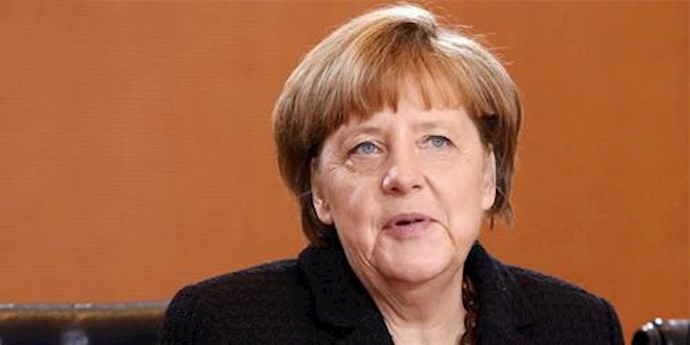
German Chancellor Angela Merkel expressed support the idea and repeated it on Wednesday
in parliament.
At a news conference, Merkel said such an agreement would be “a sign of good will,” suggesting she was referring to a more informal deal to halt aerial attacks, and that this could help lead to the overall cessation of hostilities agreed upon in Munich.
Turkish President Recep Tayyip Erdogan criticized the U.S. for not backing his country’s proposals, adding that a no-fly zone would have prevented Russia’s air campaign in the region and saved the lives of thousands of civilians.
“Oh America! You did not say ‘yes’ to ‘no-fly zone.’ Now the Russian planes are running wild over there, and thousands and tens of thousands of victims are dying,” Erdogan said. “Weren’t we coalition forces? Weren’t we to act together?”
His words reflected the resentment felt by Syrian rebels, who believe a no-fly zone would have robbed Assad of his biggest asset, the aerial bombardment.
Christopher Harmer, a senior naval analyst at the Washington-based Institute for the Study of War, said not enforcing a no-fly zone is the “single biggest mistake” the West has made in Syria.
“Had the West intervened early on and denied Assad the ability to bomb his own citizens, the moderate opposition would have been ascendant and the radical opposition would not have gained as much traction,” he said. Five years later and with the Russian air campaign, it is “more difficult, more complicated, more expensive and less likely,” he said.