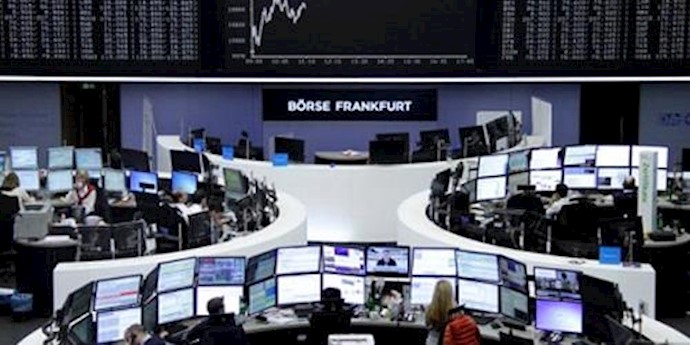
Gains by Chinese stocks, a steadier yuan and a recovery in oil prices helped calm frazzled investors on Friday, just in time for the first U.S. payrolls report of the year Reuters reported Fri Jan 8, 2016.
China nudged the yuan higher for the first time in nine days, easing fears that it had lost control of the currency. Traders also cheered its decision to dump an unpopular stock market “circuit-breaker” system introduced this week, helping to restore a measure of risk appetite.
After a 10 percent-plus drop in Chinese equities, an equally dramatic slump in oil and major volatility in other markets, a 2 percent rise by Chinese shares helped Asia end higher for the first time in 2016. Europe followed suit, with the FTSE, DAX and CAC40 up 0.5 to 0.7 percent.
Nevertheless, the nightmare start to 2016 means Asian markets have seen their worst week since the euro zone crisis in 2011, and for Europe and the 46-country MSCI All World share index the worst in over four months.
There was also a sense of relief in commodities markets as oil prices pulled out of their tailspin, although few experts were willing to declare an end to the slump.
After reaching a 12-year low the previous session, Brent crude rose 53 cents to $34.28 a barrel by 0930 GMT, from an intraday high of $34.72. U.S. West Texas Intermediate was up 40 cents at $33.63 a barrel.
Industrial metals like copper, iron ore and zinc also rose after losses of 4 to 6 percent so far this week. Gold was one of several safe-haven assets to retreat.
It all came just in time for some of the most influential pieces of macroeconomic data for markets, the monthly U.S. non-farm payrolls figures.
The latest Reuters poll shows economists expect 200,000 jobs were added last month and the overall unemployment rate remained at a 7 1/2-year low of 5 percent.
A solid report could soothe fears over the economy’s health by showing recent weakness was largely restricted to manufacturers and exporters. Both have been hit by a strong dollar and anemic global demand.
It will also be the first reading since the Federal Reserve raised U.S. interest rates last month for the first time in almost a decade.