The Czech Republic, Slovakia, Hungary and Poland rejected on Thursday the idea of limiting the European Union’s visa-free area to a smaller number of countries and will invite other EU members to help them fight for its survival.
Prime ministers of the Visegrad 4 group of countries said they agreed at a meeting in Prague to set up a “Friends of Schengen” initiative to keep borders open, a key achievement of their post-communist integration into western Europe.
The Schengen zone has come under great strain as a wave of people fleeing war and poverty in countries such as Syria and Afghanistan swept into Europe in the past months, derailing the EU system of dealing with asylum seekers.
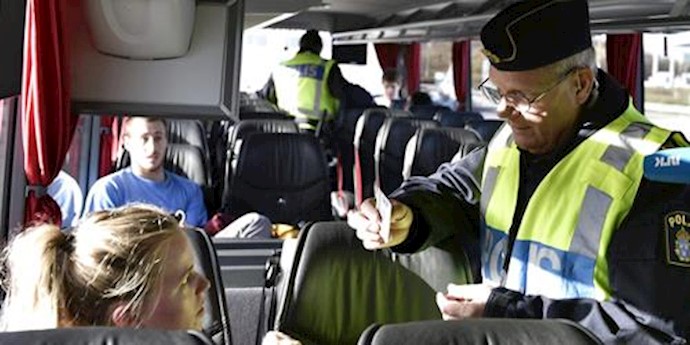
The influx has led the Dutch government to discuss internally and with some of its allies a plan to introduce passport checks at the borders of several Western European countries, in effect creating a reduced passport-free area.
Those calls must be rejected, Czech Prime Minister Bohuslav Sobotka told a news conference.
“The aim … should be to stress our common interest in protecting the external Schengen border and stress our common aim to maintain the Schengen area,” he told reporters after the Visegrad 4 meeting.
“We have rejected attempts to create some kinds of mini-Schengens within the EU.”
Hungarian Prime Minister Viktor Orban said he believed there would be countries that could join the initiative, but it remained every state’s duty to protect its outside border.
“Every country should … assume responsibility for the protection of their external borders and others should help them in this. But this should remain a national responsibility.”
Slovakia, Hungary and the Czech Republic, through which many refugees have travelled to Germany but where very few want to settle, have stood out in their opposition to the EU decision to impose compulsory quotas for redistributing asylum-seekers across the EU, straining relations with their western partners.
This has led some western politicians to call for cuts in aid given to those countries under the EU’s development programs. The Visegrad countries demanded on Thursday that the EU funds are not connected with the debate on migration.