AFP, Paris, March 17, 2010 – Britain, France and Germany asked the European Union on Wednesday to take measures to curb Iran’s ability to censor domestic OPPOSITION and to jam foreign satellite broadcasts.
In a joint letter to EU foreign affairs chief Catherine Ashton, the three countries’ foreign ministers called for tighter limits on sales of technology that could be used by Iran for repression and censorship.
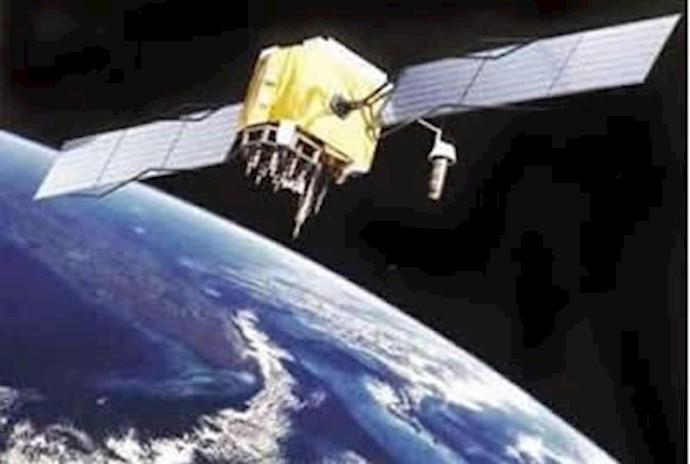
The EU should ’apply strong measures’ against Tehran if it blocks satellite transmissions of foreign media such as BBC Persia and Deutsche Welle, which have been regularly jammed since December, they said.
Ministers from the 27-nation group are asked to strongly condemn Iran at a meeting Monday and to tell it to ’cease jamming immediately’, said Britain’s David Miliband, France’s Bernard Kouchner and Germany’s Guido Westerwelle.
’Given this situation, we cannot remain silent,’ the ministers said of the broadcast jamming.
’It seems to us to be essential that the European Union should make known in the strongest possible terms its condemnation of such unacceptable actions.’
Iranian authorities have cracked down on the media and arrested scores of journalists since anti-government protests erupted after President Mahmoud Ahamdinejad’s disputed re-election last June.
The Islamic regime has also resorted to communications blackouts, targeting the BBC’s Persian-language broadcasts among others ’to prevent the people of Iran from freely exercising their right to information,’ the ministers wrote.
Nearly 70 foreign radio and television stations that transmit via the Eutelsat satellite to Iran were jammed on February 11, the 31st anniversary of the Islamic Revolution, they said.
The call from the three European governments came after Nobel laureate Shirin Ebadi accused German engineering firm Siemens and Finnish telecoms giant Nokia of supplying Iran technology to monitor cell phone calls.
’Unfortunately, a certain number of firms support the Iranian regime in its repression and censorship,’ she said in a French radio interview on Tuesday.
’It’s clearly the case with Siemens and Nokia when they send the Iranian state software and technology that it can use to monitor mobile telephone calls and text messages,’ she declared.
Nokia rejected the claim and said the network equipment sold to Iran in 2008 could in fact boost freedom of expression.
’We, as a company, in no way approve of the misuse of telecommunication equipment,’ Nokia Siemens Network spokeswoman Riitta Maard told AFP.