•The U.K. voted to leave the EU, according to broadcaster projections, setting up what would be the first departure from the EU
•Sterling plunged to a low of more than 30 years against the dollar
•Investors fled to havens, fueling a rise in assets such as gold, which rose more than 5%
•The U.K. voted to leave the EU, according to broadcaster projections, setting up what would be the first departure from the EU
•Sterling plunged to a low of more than 30 years against the dollar
•Investors fled to havens, fueling a rise in assets such as gold, which rose more than 5%
The ramifications of Britain’s vote to Brexit are being felt across world markets.
This from Jenny W. Hsu on the oil markets in Asia:
Crude-oil prices plummeted in Asian trade Friday as U.K. voters upended market expectations by choosing to exit the European Union, leaving a trail of unknowns of what could happen to the economic future of the region.
The unexpected result of the so-called Brexit vote mounted strong pressure on the British pound, sending the greenback soaring as investors seek refuge in safe haven assets.
Oil prices fell to nearly 7% at one point in the session.
The Brexit vote is a financial, economic and political earthquake that will create instability for as many as five years, said Denis Kessler, the CEO of French reinsurance firm Scor SE.
An era of uncertainty that will last several years has started, Mr. Kessler said, adding that the first consequence, the weakening of the pound, means the U.K. as a whole just got much poorer.
“The situation is extremely serious, it is a bad news for the U.K. and for all of us,” Mr. Kessler told French radio. “Those who rejoice are completely irresponsible and brainless,”
The exit of the U.K. from the European Union will mean years of negotiations between the country and its partners and a complete reshuffling of the financial industry in the region, he said.
The U.K.’s Foreign Secretary Philip Hammond tells Sky News that markets are volatile because they called EU referendum wrong and question is where it settles. Most people predict the pound will settle at lower level, he adds. The country needs a sense of continuity, he continues.
Final Figures
Votes for Remain: 16,141,241
Votes for Leave: 17,410,742
“It’s been a hell of a long journey,” says Nigel Farage leader of UKIP.
It’s a victory for normal people, for ordinary people, he adds in a statement outside the U.K. Houses of Parliament.
Mr. Farage says there is still a massive disconnect with Westminster and the rest of the country.
Television cameras and journalists are gathering outside Downing Street, the official residence of the British Prime Minister David Cameron. He is expected to make an address there at 8 a.m. U.K. time, British broadcasters are reporting.
Mr. Cameron promised a referendum on the European Union in 2012 facing pressure from the Euroskeptic wing of his Conservative party but he was in favor of remaining in the EU.
Poland’s Deputy Prime Minister Jaroslaw Gowin says on Twitter: “We’ll have to reinvent the EU. Brexit is a result of too much interference from Brussels in internal matters of nation states.”
More than 800,000 Poles are living in the U.K. enjoying their EU-treaty rights to live and work there, writes Martin Sobczyk. Most are not U.K. citizens.
The initial reaction from fund managers across London was predominantly negative, writes WSJ City’s Giles Turner.
“On the back of this morning’s result we expect the UK will fall into a recession,” believes Piers Hillier, chief investment officer at Royal London Asset Management, one of the U.K.’s largest fund managers.
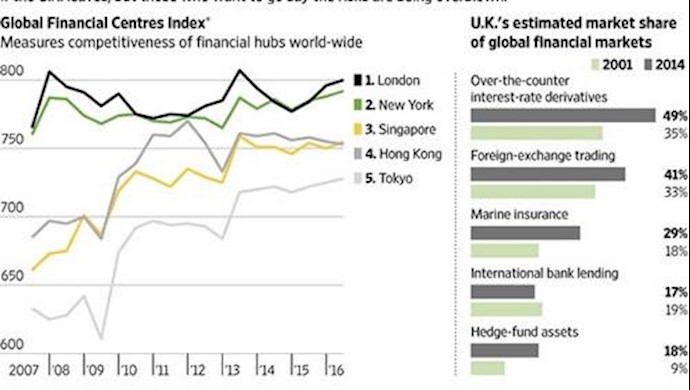
A Leave vote risks “tarnishing the U.K.’s vital financial services sector with all the macro, ‘passporting’ and regulation risks that Brexit threatens,” said Neil Williams, group chief economist at £24.1 billion fund manager Hermes. “The City of London has more than most to lose from Brexit.”
Dutch lawmaker Geert Wilders on Friday renewed his pledge to call a referendum on the Netherlands’ membership of the European Union after Britain appeared to have voted in favor of a departure from the bloc, writes Maarten Van Tartwijk from Amsterdam.
Leave Want Cameron to Remain
Matthew Elliott, chief executive of the campaign to leave the EU, said Prime Minister David Cameron shouldn’t resign in the wake the U.K.’s vote to leave the bloc.
“This is a referendum on the issue of staying or leaving in the EU – it wasn’t a referendum on the prime minister,” Mr. Elliott said.
“He’s a well respected statesman and he’s very well positioned to make sure he gets a good negotiated Brexit deal.”
Mr. Elliott said the key to the leave campaign’s win was the turnout of many people who don’t usually vote in general elections.
He said the results show leaders of main political parties, particularly the Labour Party, are out of touch with their supporters.
CitiGroup says it expects the Bank of England to cut interest rates by a quarter of a percentage point by July at the latest and restart its bond-buying program to support the economy, following a result in favor of Leave.
It expects the European Central Bank to consider further easing and the Federal Reserve to delay its next rate increase until December or later.
Brexit Impact to Be Felt in Weeks, Months Ahead, Says Fund Manager
It will be weeks or months before the implications of Brexit become clear, says Hemant Kanawala, head of equities at Indian insurance firm Kotak Life Insurance, Shefali Anand in Mumbai writes.
“I don’t think we’re absolutely clear about what will be the future course of action..whether there will be further negotiation, or whether they will decide to leave,” said Mr. Kanwawla. In the meantime, financial markets, including those in India, will remain volatile, he added.
“I’m Surprised People Are Surprised”
WSJ’s Art Patnaude has been out in early-morning London to find out what people make of the apparent result:
Currency trader Mark Hewlett, waiting for a train home at Liverpool Street Station in London after a night shift, wasn’t at all surprised the U.K. voted to leave the European Union.
“I’m surprised people are surprised,” he said. “All you had to do was ask people outside the financial services sector, or outside of London, what they thought.”
Mr. Hewlett, 37, didn’t get a chance to vote because of flooding disruptions in Chelmsford, where he lives, he said.
While the next steps for Britain are uncertain, Mr. Hewlett believes Prime Minister David Cameron should stay in his job for the time being.
“He needs to fix what he started, he said. Eventually the infighting within the Conservative party will push Mr. Cameron out, making room for either Michael Gove or Boris Johnson, he said. “I’ve been impressed with Gove during the campaign,” he said.
Sterling dropped to its lowest value against the dollar since 1985 on Friday morning. But after a “knee-jerk reaction” it should recover a bit before the end of trading Friday, Mr. Hewlett predicted.
The DAX, the German stock market, is seen plunging 8% at the open after the startling U.K. decision to leave the EU, according to current results, Sarah Sloat in Frankfurt reports.
IG Markets sees support at 9,500, compared with Thursday’s close of 10257.
The market has been caught on the wrong foot , says an analyst, after expectations the U.K. would vote to stay set in over the past days.
Another trader expects markets to enter a long phase of uncertainty until it’s clear what the fallout will be for the global economy.
Investors are likely to avoid stocks in favor of gold, bonds and the dollar.
Source: Wall Street, 24 June 2016