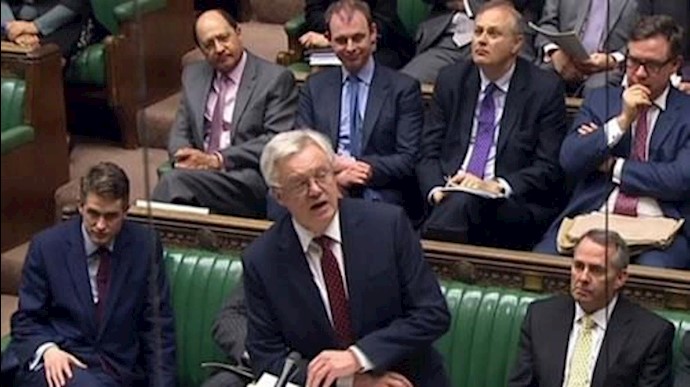
MPs have overwhelmingly voted to overturn amendments to the Brexit bill made by peers and send the landmark legislation back to the House of Lords.
BBC World, 13 March 2017 – They rejected calls for the government to protect the status of EU nationals within three months of the start of Brexit talks by 335 votes to 287.
They then dismissed calls for Parliament to have a meaningful vote on any Brexit deal by 331 to 286 votes.
The EU Withdrawal Bill will be passed later if the Lords back down.
Both Houses of Parliament have to agree the text of the bill before it can be sent for Royal Assent and become law.
Prime Minister Theresa May could then theoretically trigger Article 50, which formally starts the Brexit process, as early as Tuesday.
However, Downing Street sources have said this will not happen this week and the PM is expected to wait until the end of the month to officially notify the EU of the UK’s intention to leave.
Only two Tory MPs – Tania Mathias and Alex Chalk – defied the government over the issue of EU nationals as the government won the first vote comfortably.
After reversing the Lords changes, the bill will pass back to peers to decide whether they want to go against the government’s plans again.
The bill travels back and forth between the two chambers until both sides agree – Parliament could sit through the night to try to reach an agreement, and time has also been set aside on Tuesday and Wednesday.
But the BBC’s political correspondent Vicki Young said she did not expect peers to try to block the bill any further and this meant it would all be “done and dusted by midnight” on Monday.
’Quick deal’
Opening Monday’s debate, Brexit Secretary David Davis said MPs had already approved the bill “without any strings attached” and putting it into law “without further delay” would enable the negotiations to begin.
He said the government was committed to a “quick deal” on the rights of EU residents, but insisted guarantees must be reciprocal. Parliament, he added, would have many opportunities to scrutinise and vote on key issues during the “long democratic process” of EU withdrawal.
He repeated the government’s verbal assurances that both Houses would have a vote on any Brexit deal, but warned that while the Lords amendment “has been badged as a meaningful vote, the reality is there are some who would seek to use this to overturn the result of the referendum”.
Media captionWhat will happen after the Brexit bill has passed? Ellie Price has the details.
Media captionDavid Davis: “The issue of the rights of citizens is the first thing”
“We will not have anything that will put the intention to leave the EU in doubt,” he told MPs.
But he was pressed by a number of Tory MPs over the exact nature of the parliamentary vote they’ve been promised. Former minister Anna Soubry said it was “perverse” that if the UK and EU were not able to agree a deal at all, that Parliament would not be “entitled” to pass its judgement.
“I would urge the government, for the sake of bringing unity to the country at large, that they allow Parliament’s sovereignty to reign and in the event of no deal we have a vote and a say,” she said.