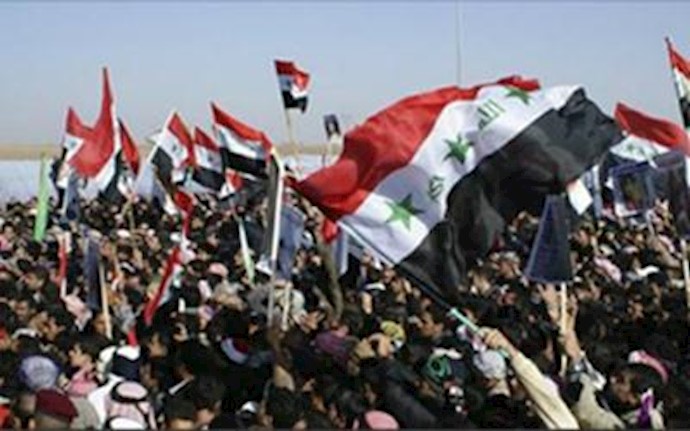
Al Jazeera, 28 Dec 2012 – Tens of thousands of protesters in Iraq have taken part in fresh rallies against the government of Prime Minister Nouri al-Maliki.
Massive demonstrations took place along a major highway near the city of Fallujah on Friday, a day after thousands of protesters continued an almost week-long blockade on a key highway in the western Anbar province.
Protests erupted last week after Iraqi authorities detained 10 bodyguards of the finance minister, who is from Anbar and is one of the government’s most senior Sunni officials.
Many Sunnis accuse Maliki of marginalising the country’s religious minority group by refusing to share power and depriving them of equal rights.
“The people want to bring down the regime,” chanted some of about 2,000 demonstrators in the predominantly Sunni city of Ramadi.
The main highway at Ramadi, 100km west of Baghdad, was barricaded for a fifth day, disrupting transit of
government supplies along a key trade route to and from Jordan and Syria.
Protesters were, however, letting most trucks, carrying private goods, pass along another road through Ramadi.
Anti-terrorism laws
There was also a small protest in the northern city of Mosul.
Activists, who want changes to laws on terrorism that they say penalise Sunnis, plan bigger rallies on Friday.
While demands so far focus on the anti-terrorism laws which Sunnis say are being used against them, one lecturer in law at Baghdad University said Sunnis might be emboldened to call for regional autonomy in Anbar and other provinces in the northwest where they are in a majority – a status similar to that of the Kurds, who won Western-backed autonomy from Saddam in 1991.
“I’m seeing greater determination to defy Maliki and if their demands are not met, the call to have their own region will be an inevitable consequence,” said Ahmed Younis.
“The Kurdish region could become a model for Sunnis in Anbar.”