

The Independent, Sept. 1, 2016 – Today marks one year since three-year-old Alan Kurdi’s lifeless body washed up on a Turkish beach. He lay there, face down in the sand, not just a little boy whose life had tragically been cut short, but a symbol of the monstrous reality of war and the selfish reticence of the West. If Alan Kurdi had been alive today, he would have been four years old.
In February, the Syrian Centre for Policy Research estimated that fatalities caused by the Syrian conflict stand at 470,000, 11.5 per cent of the country’s entire population. The death toll now is likely far higher, and many of those killed will be children, just like Alan Kurdi. 400,000 have been killed directly by violence, and 70,000 by lack of medical supplies, and the inability to access sanitation, clean water, food, and shelter.
More than 83 per cent of Syria’s lights have gone out. More than half of the 22 million people who make up Syria’s population have been displaced. The country has been torn apart, ravaged, and stands in almost total darkness.
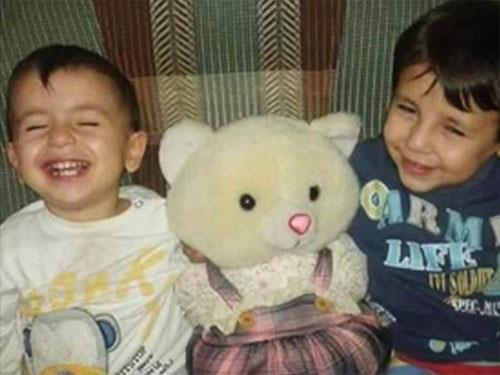
Aylan Al-Kurdi (left) and his older brother, Ghalib, died when their dinghy sank off the coast of Turkey
When the images of Alan Kurdi’s body circulated around the globe, even the most heartless of the right-wing tabloid press voices took a day off from likening refugees to vermin. It appeared as if the tide of public opinion was turning away from seeing helpless victims of conflict as a “swarm” of “cockroaches” coming to infiltrate Britain and become “drains” on our services. The Syrian people were finally humanised through the image of the little boy alone on a Turkish beach.
Then on April 26, 294 MPs voted against the proposal to offer asylum to 3,000 unaccompanied child refugees.
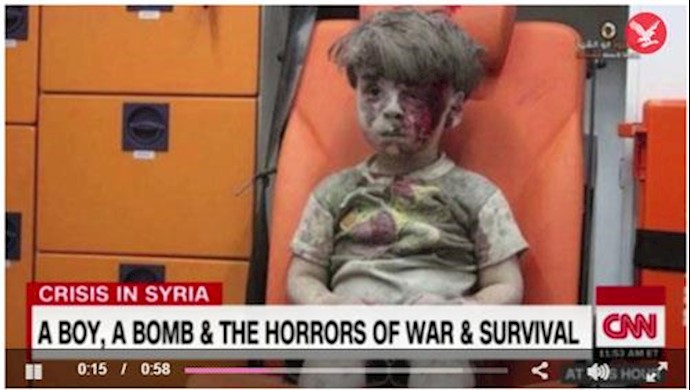
CNN presenter cries during Aleppo piece
The Dubs proposal was modelled on Kindertransport, the Second World War scheme that brought children to Britain from Nazi-controlled areas of Europe. We might be more technologically advanced now, more wealthy, more
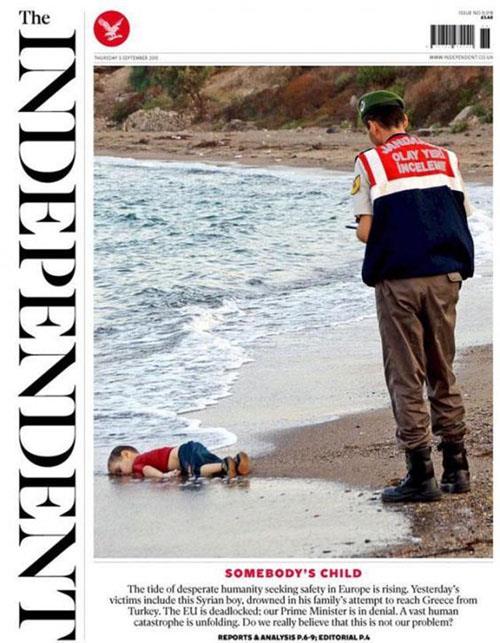
A Turkish police officer stands next to Alan Kurdi’s body
Syrian families are still facing the impossible choice between staying in a land shattered by conflict, where bombs are falling and buildings are being reduced to dust, or entrusting themselves and their children to smugglers, in unsafe crafts, often without any possessions, lifejackets, or guarantees of where they will end up. The fact that mothers and fathers are paying to have their children smuggled out of their home country by traffickers shows how truly terrible the other option is.
In Britain, we must extend a hand to the people of Syria. It’s imperative that we use our voices to shame this government into offering asylum to Syria’s children.
We are all citizens of the world, and we share responsibility for the refugee crisis. Those fleeing the Syrian conflict are human, just like us, and our humanity is gravely in question if we stand by and shrug our shoulders.
Nothing can bring back that three-year-old boy, Alan Kurdi, who died without dignity, without a home, and without justice, but there are so many more children suffering and at risk in this conflict. We can still do something. We owe him that.