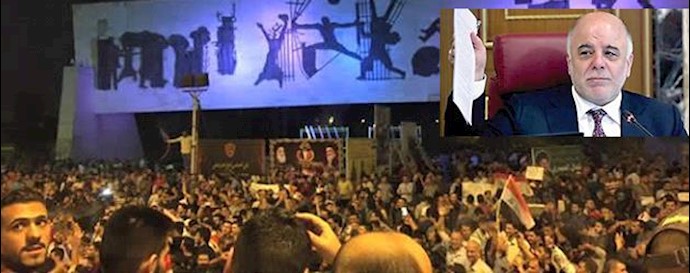
BAGHDAD – New York Times – August 16, 2015 – Prime Minister Haider al-Abadi of Iraq reduced his cabinet to just 22 members from 33 on Sunday as part of a major overhaul in response to mass protests against corruption and poor governance.
The decision, announced by his office, would eliminate four ministries, including those of human rights and women’s affairs, and consolidate others. The announcement did not mention whether there would be changes to the remaining ministries.
The move follows a far-reaching plan approved by Parliament last week that eliminated Iraq’s three vice presidencies and three deputy prime ministers. The plan also reduced the budget for senior officials’ bodyguards.
The overhaul cut positions held by a number of prominent politicians, including Nuri al-Maliki, who was prime minister for eight years before being pushed out last August in response to growing outrage over the fall of Iraq’s second largest city, Mosul, to Islamic State militants.
Earlier Sunday, the speaker of Parliament, Salim al-Jubouri, said lawmakers would release a report this week implicating senior officials in Mosul’s fall. “No one is above the law and the accountability of the people,” Mr. Jubouri said in a statement. “The judiciary will punish perpetrators and delinquents.”
Iraqis have held huge protests against corruption and poor government services, focusing in particular on power failures during a recent heat wave. In response, Mr. Abadi proposed the first round of measures against reckless spending by government officials.
The country’s Supreme Judicial Council said Sunday that it would hold a special session Monday to review proposed reforms.
Iraq’s top Shiite cleric, Grand Ayatollah Ali al-Sistani, has lent his support to demands for change, and Parliament unanimously approved the wider overhaul package last week in a dramatic show of unity for a country torn by sectarian and political rivalries.
Also Sunday, Mr. Abadi announced an investigation into commanders accused of withdrawing from Ramadi against orders. A statement from his office said he approved “decisions to refer a number of leaders to military tribunal for leaving their positions without a warrant and contrary to instructions.”
The Defense and Interior Ministries will form investigative boards to look into why troops abandoned their weapons and equipment while fleeing, the statement added.