The Iranian opposition in exile has drawn up a statement Saturday of “failure” one year after the historic agreement on the Iranian nuclear deal, saying the country had been pushed into recession, cut off from its neighbors and cured in-house, according to a report on July 10, 2016 by the AFP, translated in to English from French.
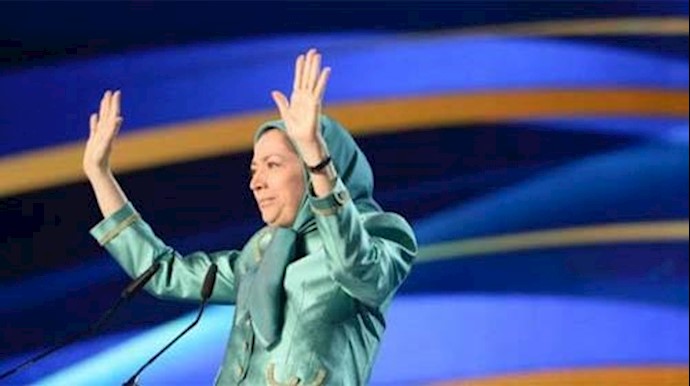
“The economy was back on its feet, but it is even more depressed than before the recession, the banking system is bankrupt and businesses close down,” said the president of the National Council of Resistance of Iran (NCRI), Maryam Rajavi.
She was speaking at the annual gathering of the movement, held at Le Bourget, near Paris, which brought together people from mainly Europe but also the United States or Australia.
The NCRI opposition movement in 2002 revealed the existence of an Iranian nuclear program. In an agreement signed on 14 July 2015, Tehran has agreed to limit the program in exchange for the lifting of Western economic sanctions against the country.
A year later, “many of the sanctions have been lifted and oil exports have increased, but the money was engulfed in the flames of war in Syria,” Mrs. Rajavi estimated.
With this agreement, the Iranian regime “said it wanted to improve relations with the world, but instead they have increased their interference in other countries and finally at least six neighboring countries and the region broke off relations with the regime,” she added.
The Sunni Saudi Arabia in particular has severed all ties with Shiite Iran, after the sacking of Saudi diplomatic missions by Iranian protesters. But more broadly, the two countries differ on regional crises, notably Syria and Iraq, where Tehran has sent military forces to those countries.
Finally, internally, Mrs. Rajavi denounced the “electoral farce” saying Khamenei, 76, has maintained his “hold on both houses,” citing an increase in “executions” in the country.
“Neither the talk of moderation nor the fuss over the nuclear deal could open a path to the regime,” she concluded.