Analysis: Deal to curb Iran’s nuclear program for sanctions relief is all but signed, but obstacles remain
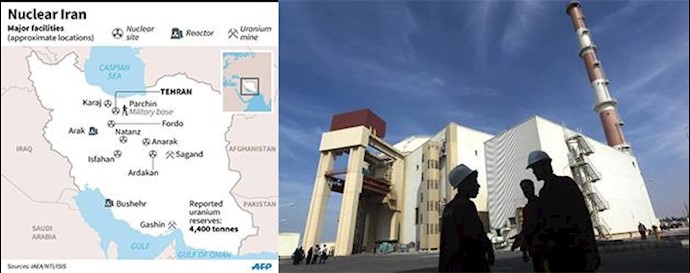
A deal to curb Iran’s nuclear program in exchange for sanctions relief is nearly complete. What remains is to finalize half a dozen annexes that lay out how Iran’s facilities will be modified, trade restrictions eased and access provided to non-declared sites, say observers close to the negotiations, which are entering a final caffeine-fueled phase in Vienna this week.
The nominal goal is to reach a deal by June 30, but a harder deadline is July 9. Under a law he grudgingly signed in May, President Barack Obama must present an agreement to Congress on or before July 10 or face a 60-day – as opposed to 30-day – period of legislative review. Even though Congress would have difficulty mustering a veto-proof majority against an accord, the Obama administration wants to limit the amount of time for critics – inside and outside the Capitol – to highlight the deal’s shortcomings.
Iranian negotiators are also feeling pressure. In a speech on Tuesday, Supreme Leader Ayatollah Ali Khamenei appeared to raise the bar by demanding an immediate lifting of sanctions when an agreement is signed. However, the position of Iran’s negotiating partners – the U.S., China, France, Russia, the U.K. and Germany (P5+1) – is that Iran must first implement key elements of the deal, a process that could take several months.
June 24, 2015