Wednesday, December 17, 2008
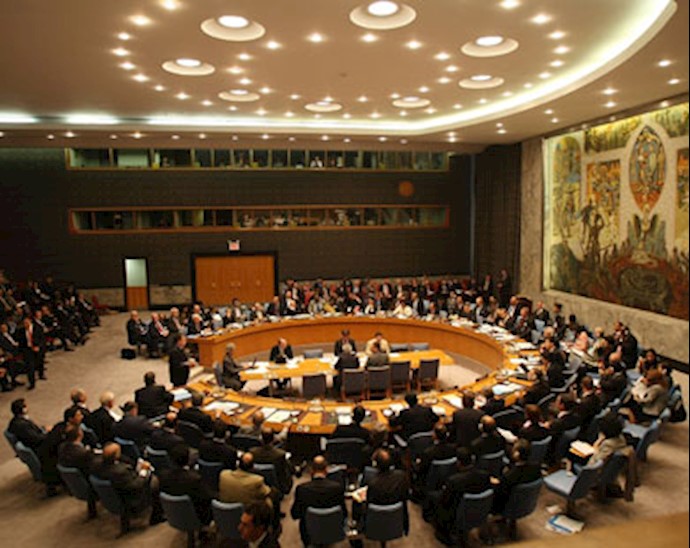
AFP, United Nations (excerpts) – Ministers from the six nations involved in talks on Iran’s nuclear program will meet Tuesday at the United Nations with representatives of several Arab countries, diplomatic sources said.
The so-called P5-plus-1 — Germany and permanent UN Security Council members Britain, China, France, Russia and the United States — will join Jordan, Egypt, Iraq and Gulf Cooperation Council (GCC) members, the source said on condition of anonymity.
Not all of the countries will be represented at the ministerial level for the ad-hoc meeting that will follow a Middle East Quartet gathering of Western and Arab diplomatic chiefs.
Representatives from the Quartet — United States, European Union, Russia, United Nations — met over dinner late Monday with several Arab ministers.
US Secretary of State Condoleezza Rice will be present at the Iran discussion, as will British Foreign Secretary David Miliband and Russian Foreign Minister Sergi Lavrov, diplomatic sources said.
Germany and China will be represented by their UN ambassadors, while France will be represented by Gerard Araud, a top foreign affairs official.
“Iran’s nuclear weapons program is increasingly recognized as a threat to the whole region of the Middle East,” Miliband told reporters after the dinner, adding that the program could “kick start another nuclear race in the region.”
German magazine Der Spiegel reported over the weekend that Germany is seeking further sanctions against Iran that target the banking and transportation sectors.
The Europeans will try to reach agreement on extending sanctions against Tehran with Russia, China and the incoming US administration of Barack Obama that would not require a Security Council vote, added the report.
Der Spiegel said the goal was to provide Obama a means to pressure Iran in any future dialogue.
Obama has said that his administration would engage in direct talks with Tehran, a move that would represent a break with three decades of US policy.
The UN Security Council has already adopted four resolutions — three of which included sanctions — requiring Iran to suspend its uranium enrichment program.
But Tehran has pursued its nuclear work, which the United States and other Western powers suspect of being a cover for an atomic-weapons making program.
Earlier this month, IAEA head Mohamed ElBaradei said that international efforts to halt Iranian nuclear activity have been a failure.
The IAEA reported in November that Iran now has more than 5,000 uranium enrichment centrifuges in operation.