
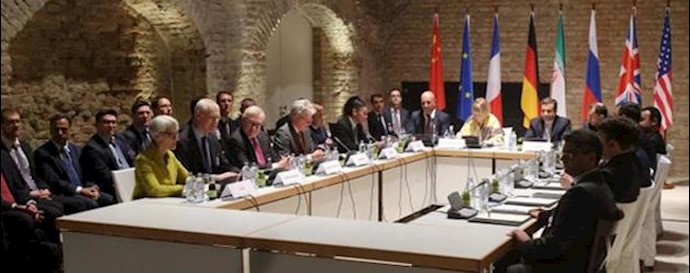
UNITED NATIONS (AP) – Britain has told a U.N. panel of experts that it is aware of an “active Iranian nuclear procurement network” linked to two Iranian companies, raising new concerns as world powers began Thursday to work out the details of a possible comprehensive agreement with Iran over its nuclear program.
Two U.N. sources confirmed Thursday that Britain’s warning on April 20 is included in a confidential report by the panel. The sources spoke on anonymity because they were not authorized to discuss it.
The warning names two companies, “Iran’s Centrifuge Technology Company and Kalaye Electric Company” but it gives no details. Both companies are under U.S. sanctions, and Kalay Electric Company is on the U.N. sanctions list.
World powers, including the five permanent U.N. Security Council members plus Germany, are aiming for a deal on Iran’s nuclear program by June 30 with a goal of slowing any path the country might have toward developing a nuclear weapon.
Iran is pushing for U.N. and other sanctions on it to be lifted as soon as a nuclear agreement with the United States and others is reached.
“The name ’Kalaye Electric’ means ’electric goods,’ implying that Iran kept the original name to help disguise the true purpose of the facility,” the institute has written. It added that when the International Atomic Energy Agency asked to inspect the site in 2003, Iran responded that it was a watch factory that also made a few centrifuge components.
The Treasury Department in 2011 said the Iran Centrifuge Technology Company “plays a crucial role in Iran’s uranium enrichment nuclear program. It is involved in the production of IR-1 centrifuges, the type of centrifuge Iran has used to enrich uranium and has used in facilities belonging to … Kalaye Electric Company.”
The news of the warning to the U.N. panel comes after Iranian Foreign Minister Javad Zarif and Secretary of State John Kerry met Monday for the first time since a marathon negotiating session in Switzerland ended with the declaration of an understanding.
One concern is whether Iran has declared everything it has in its nuclear program, especially on the military side.
In a speech on Monday to a global conference to review a landmark treaty on disarmament, the head of the IAEA, Yukiya Amano, warned that the IAEA “is not in a position to provide credible assurance about the absence of undeclared nuclear material and activities in Iran, and therefore to conclude that all nuclear material in Iran is in peaceful activities.
UN is warned of “active Iranian nuclear procurement network”
RELATED ARTICLES