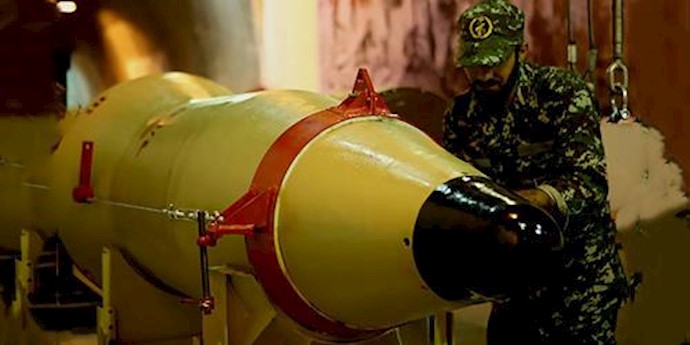
The Iranian nuclear deal is barely six months old and already Tehran has repeatedly tested ballistic missiles capable of delivering atomic warheads. So it’s encouraging to see that U.S. Senate Republicans have introduced legislation designed to confront Iran on its belligerent behavior.
The Iran Ballistic Missile Sanctions Act of 2016 would impose new sanctions on the Islamic Republic’s ballistic-missile developers. The Senate bill, introduced late last week by New Hampshire Republican Kelly Ayotte, targets firms that help Tehran acquire dual-use technologies or otherwise support its missile program.
As the Foundation for Defense of Democracies notes in a recent report, Tehran’s ballistic-missile program is deeply intertwined with Iran’s legitimate economy, including the automotive, energy, construction and mining industries. Countering the missiles, the FDD says, requires “economic sanctions against all sectors involved in their development.”
Ms. Ayotte’s unilateral U.S. sanctions are a good start, since the path to international sanctions is closed for now. Iranian negotiators succeeded in excluding limits on ballistic missiles from the nuclear deal itself, but United Nations Security Council Resolution 2231 “calls upon” Tehran not to build or test missiles for eight years.
Iran has used that weak language as a legal loophole, and Russia has made it clear that it takes Tehran’s side. Russia has a veto on the Council, and all the Obama Administration has done so far is to sanction a handful of people and entities in response to an earlier round of Iranian missile tests.
A parallel bill sponsored by Sen. Mark Kirk and 15 other Republicans, including Majority Leader Mitch McConnell, targets Iran’s destabilizing actions in the region and human-rights violations at home. The bill would impose U.S. sanctions on any business in which the Iranian Revolutionary Guard Corps holds a 25% or larger stake, as well as the directors of such firms. The bill specifically targets Mahan Air, an Iranian passenger airline that provides logistical assistance to the Revolutionary Guards and Hezbollah in Syria, according to the U.S. Treasury.
Mr. Obama will likely oppose the measures. Maryland’s Ben Cardin, the ranking Democrat on the Senate Foreign Relations Committee, and Committee Chairman Bob Corker of Tennessee said in a joint statement on Friday that they’re working on bipartisan sanctions. The Ayotte-Kirk measures should be the starting point. Unilateral U.S. sanctions are a weak substitute for binding international sanctions. But the effort sends a message that not everyone is as forgiving of the Iranians as Mr. Obama.
Source: WALL STREET JOURNAL, MARCH 22