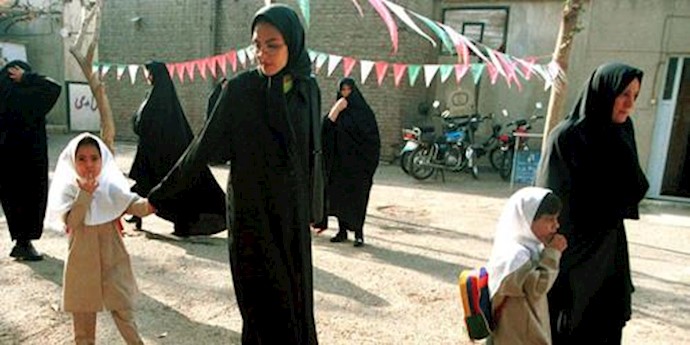
Geneva, AFP, 4 February 2016 – A growing number of young teenage girls are being coerced to marry in the mullahs’ ruled Iran, U.N. rights experts warned Thursday, decrying laws permitting marriage with girls as young as nine.
Following a review of the situation in Iran, the U.N. Committee on the Rights of the Child (CRC) urged the country to “repeal all legal provisions that authorize, condone or lead to child abuse.”
The committee, which is made up of 18 independent experts who monitor the implementation of international children’s rights treaties, said it was “seriously concerned” over reports that child marriages under the pervert clerical regime’s laws in Iran were on the rise.
A growing number of “girls at the age of 10 years or younger … are subjected to child and forced marriages to much older men,” CRC said.
Compounding the problem were laws introduced by the fundamentalist regime in Iran allowing intercourse with girls as young as nine, and a lack of criminalization for sexual abuse of even younger children, it said.
The committee also lamented a law obliging wives “to fulfil sexual needs of their husbands at all times,” which it stressed “places child brides at risk of sexual violence, including marital rape.”
Stressing the devastating effects child marriage can have on the physical and mental health of young girls, the experts called on Tehran to introduce national laws clearly banning and criminalizing the practice.
The committee also raised a range of other disturbing issues, including the fact that boys in Iran are considered criminally responsible at the age of 15, and girls at nine, according to the mullahs’ regime laws.
This means children down to those ages can be subjected to “sentences involving torture or cruel, degrading treatment of punishment,” it said.
Most distressing perhaps is that some crimes committed as a minor in Iran are punishable by death, and that the country occasionally executed children.
“A small number of children have been executed in Iran,” committee member Bernard Gastaud told reporters.
His colleague Benyam Mezmur described the situation as being “of very serious concern.”