
CNN, Jan. 16, 2017 – A bill has been introduced in Congress that could curtail the jetliner deals between Airbus and Boeing and Iran, offering an early test for the incoming administration and the future of the Iran nuclear deal.
Iran Air took delivery last week of the first of 100 jets it has ordered from Airbus (EADSF). The first of 80 aircraft from Boeing (BA) are scheduled to arrive in 2018. The badly needed jets will reconstitute Iran’s decrepit commercial aircraft fleet, which has been languishing under decades of Western sanctions.
Peter Roskam, a Republican member of the House, introduced a bill on Friday to initiate an investigation by the Trump administration’s Director of National Intelligence into Iran Air and the nation’s other airlines.
If Iran Air or any other airline were to be found to support the Iranian Revolutionary Guard Corps or foreign terrorist organizations, the airline would be added to the U.S. sanctions list and be prevented from receiving new aircraft or U.S.-made parts. That would effectively freeze the sale of jets from Boeing to Iran.
The legislation would exert little control over the Airbus aircraft that are already delivered, but the airline would not be able to receive spare parts for those planes, or receive any maintenance outside of Iran. If Iran Air received maintenance or parts outside of Iran, that provider would be barred from doing business with the U.S. market.
Mahan Air, Iran’s second biggest carrier, is still on the sanctions list for aiding Iran’s military and is barred from buying Western planes and parts.
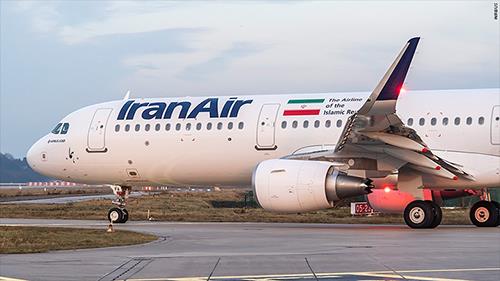
A new Airbus delivered to Iran Air.
Iran drops plan to buy A380 superjumbo
Iran Air was removed from the U.S. sanctions list in January 2016 as part of an agreement to convince Iran to restrain its nuclear program. It opened the path for multi-billion dollar sales by Boeing and Airbus. That prompted an outcry from some lawmakers like Roskam, who said the Obama administration offered no proof that Iran Air had stopped its support of the Iranian military or designated terrorist organizations.
Roskam and other critics of the sales say Iran Air was removed from the sanctions list for political reasons to complete the six-nation diplomatic agreement
The Treasury Department, in a November 23 letter to Roskam, defended the nuclear deal and said Iran Air was cleared from sanctions after a review “of its activity to ensure” sales would be “consistent with our national security and foreign policy goals.”
Boeing’s Iran deal won’t prevent production cut
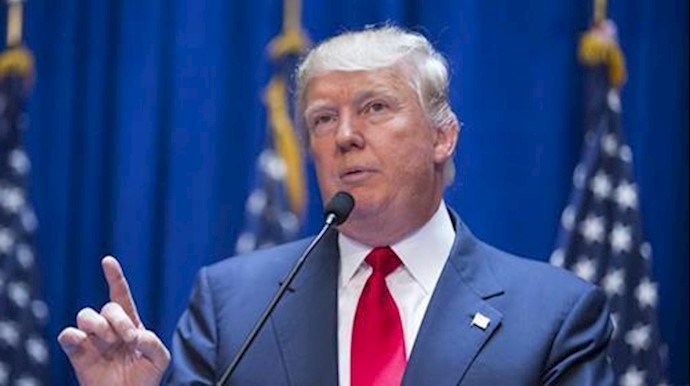
The new bill restarts an earlier effort by Roskam. He introduced a bill with a similar aim last year — the House passed it, but the Senate didn’t act. Now Republicans have control of Congress and President-elect Trump has been sharply critical of the nuclear agreement.
Boeing, which has said it has proceeded cautiously into a deal with Iran Air, has said repeatedly that it will continue to take its cues from the U.S. government. The company declined to comment on the Roskam bill.