
Tehran (AFP) – The state of Iran’s post-sanctions economy is dominating voter concerns ahead of Friday’s elections but no matter who wins major obstacles are lying in wait.
After more than a decade of seeing their prospects battered by sanctions, Iranians are anxious to feel the results of the nuclear deal with world powers that took effect earlier this year.
Hassan Rouhani is encouraging foreign money to flow in, saying investments will boost jobs for a population with a 10 percent unemployment rate, but a much higher 25 percent of joblessness among youth.
Rouhani’s allies are hoping that message will chime with voters as they cast ballots in Friday’s vote for seats in the 290-seat parliament and 88-member Assembly of Experts, a powerful committee of clerics.
But conservatives seeking to retain their dominance of the legislature are blaming the government for failing to tackle the Islamic republic’s economic woes.
They are insisting a “resistance economy” — focused on domestic investment and production — is the key to revival.
For Iranians like 50-year-old taxi driver Abdollah, the debate is far from academic.
“When the economy is stopped, nobody has any money and morale suffers,” said Abdollah, a father-of-two who earns 1,200,000 rials ($35) a day.
A sixth of his salary pays for fuel and servicing his car, the rest goes to paying the family’s bills.
“When I leave home in the morning I have nothing,” Abdollah said.
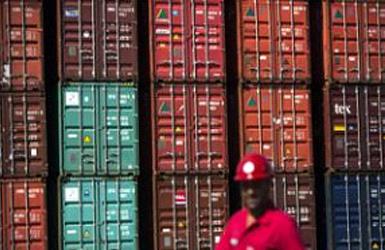
The state of Iran’s economy is high on the list of voters’ concerns
He is hardly alone in worrying. In a public opinion survey for news website Tabnak ahead of the vote, 64 percent of Iranians said the economy was their main concern.
Only 17 percent said politics was most important, and social problems were the top concern for just 11.5 percent.
– Fundamental challenges –
But fundamental challenges — from falling oil prices and persistent inflation to ageing infrastructure and high public debt — will complicate any efforts to revive Iran’s economy.
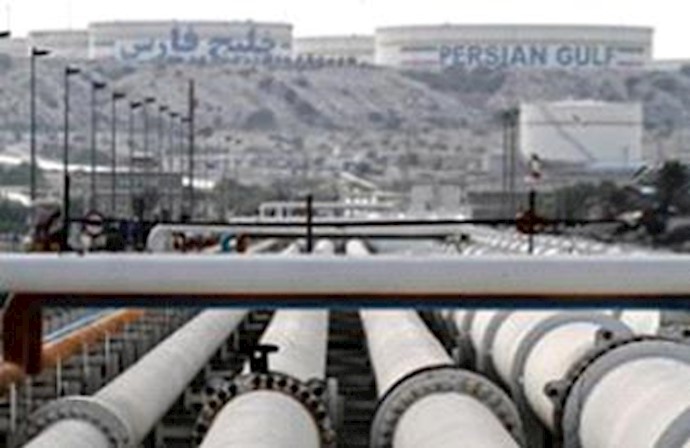
The plunge in global oil prices by nearly 70 percent since mid-2014 had hit Iran, which has the world’s fourth-largest proven reserves, harder than most.
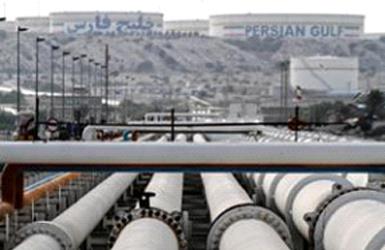
The plunge in global oil prices has hit Iran harder than most
Production plummeted under sanctions and while Iran increased exports to 1.5 million barrels per day after the nuclear deal, the level is still barely half of what it was before a US and European embargo was imposed in 2012.
Iran’s economy minister Ali Tayebnia has said the country’s debt — made worse because of lower oil sales income and subsidies that Rouhani wants to eliminate — is a key burden.
Rouhani has sought to reduce the country’s reliance on crude, raising taxes to boost state revenues and seeking economic reforms including privatization of state firms.
Analysts say Iran needs major international investment — Rouhani has said up to $50 billion annually — to fund new technology and update key infrastructure including in its energy sector, factories and transport network.
Inflation was more than 40 percent when Rouhani was elected in June 2013 and with prices skyrocketing the rial currency had already lost two thirds of its value against the dollar.
His efforts appear to be stagnating and analysts say Rouhani’s growth target or five percent will be difficult to achieve.
“Economic growth has been negative or around zero during the first six months of the current year,” a top economist, wrote in financial daily Donyaye Eqtesad last week, referring to the Persian year that began in March 2015.