The New York Times, Tehran, October 13, 2008 – A strike in Iran
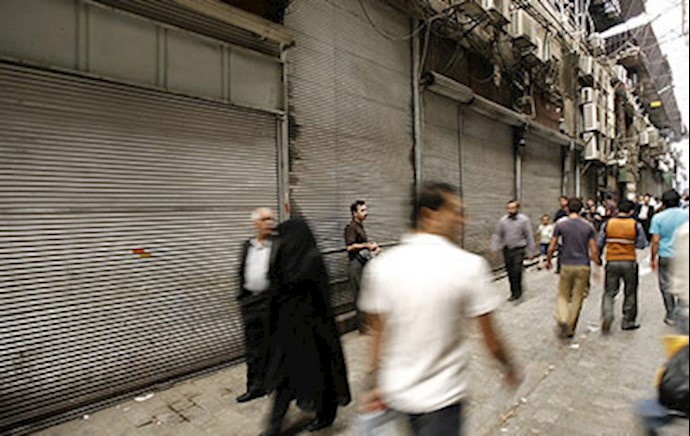
The main entrance to the Grand Bazaar in Tehran was closed, as major traders like carpet and textile merchants joined the jewelers, who had started the strike in Tehran. The strike continued in the traditional bazaars in several other large cities, including Isfahan, where it erupted first on Oct. 4.
In the latest sign of discontent with Mr. Ahamdinejad’s economic policies, the merchants went on strike to protest being included in the country’s first value-added tax, a 3 percent charge on all products except basic commodities like dairy products and bread.
In an effort to persuade the traders to end their strike, Mr. Ahamdinejad said last week that the new tax law would be suspended for two months. But the newspaper Sarmayeh reported on Sunday that the traders had demanded that the law be permanently revoked.
Bazaars are the backbone of the country’s traditional economy. The merchants wield significant power, and this is the first time since the 1979 Islamic Revolution, in which they helped overthrow the shah, that they have protested on so large a scale.
Carpet merchants in Tehran’s bazaar closed their shops in unison, even though their sales are exempt from the tax. Shutters were lowered and there was no sign of the usual bustle.
Police officers were stationed in the bazaar on Sunday, and despite their request, traders refused to open the shops, said one carpet merchant, who spoke on condition of anonymity for fear of retribution.
The few shops that had opened early in the morning were attacked by angry sellers and were forced to close.
Beyond the value-added tax, many analysts saw the strike as a reaction to Mr. Ahamdinejad’s economic policies, which have been blamed for a surge in prices and a drop in sales.
Sarmayeh published an analysis on Sunday that said the rift between the government and the bazaar suggested mistrust of government economic policies from different sectors of society.