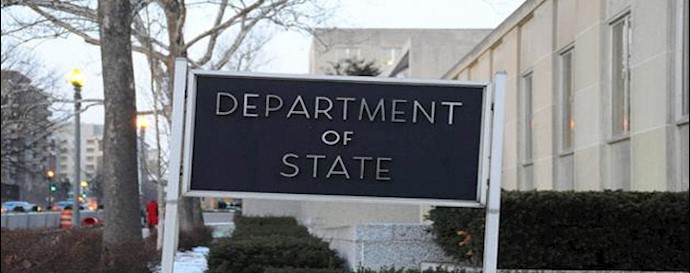
The Obama administration hopes that the nuclear deal it negotiated with Iran may one day lead to broader cooperation. But the State Department has some cautionary words for Americans who think the reconciliation is already underway.
“This deal over Iran’s nuclear program does not alter the United States’ assessment of the risks of travel to Iran for U.S. citizens,” says a travel warning the agency issued on Wednesday.
“Dual national Iranian-American citizens may encounter difficulty in departing Iran,” it says.
The latest entry on Iran follows a warning in January, and it was made public the day President Obama defended the nuclear accord in a major speech at American University in Washington.
While many United States citizens, including Iranian-Americans, travel to and from Iran without problems, there have been some notable exceptions.
Iran is currently holding three Americans of Iranian descent: Jason Rezaian, a reporter for The Washington Post; Amir Hekmati, a Marine veteran from Flint, Mich.; and Saeed Abedini, of Boise, Idaho, who was sentenced to eight years in prison for establishing a private network of churches. A fourth American, Robert A. Levinson, vanished there eight years ago.
The State Department warning reflects concerns that Iran could detain other visitors, particularly Iranian-Americans, on false charges or make it hard for them to leave.
“Since 2009, Iranian authorities have prevented the departure, in some cases for several months, of a number of Iranian-American citizens, including journalists and academics, who traveled to Iran for personal or professional reasons,” the warning says, repeating language from the January notification. “Iranian authorities also have unjustly detained or imprisoned U.S. citizens on various charges, including espionage and posing a threat to national security.”
The New York Times, 6 August 2015