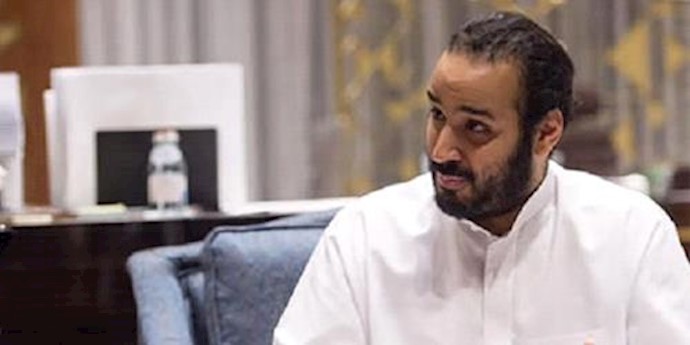
Oil fell as Saudi Arabia’s deputy crown prince said the kingdom will only freeze production if Iran and others follow suit.
Futures declined as much as 2.4 percent in New York, heading for the first weekly decline since February.
West Texas Intermediate for May delivery lost 90 cents to $37.44 a barrel on the New York Mercantile Exchange at 11:35 a.m. London time. The contract gained 2 cents to close at $38.34 on Thursday. Total volume traded was in line with the 100-day average. Prices rose 3.5 percent last quarter.
Brent for June settlement fell 89 cents, or 2.3 percent, to $37.45 a barrel on the London-based ICE Futures Europe exchange. The May contract expired Thursday after gaining 34 cents to $39.60. Front-month prices rose 10 percent last month. The global benchmark crude was at a premium of 66 cents to WTI for June.
With producers scheduled to meet in Doha this month to complete an accord on capping output, Saudi Arabia’s Mohammed bin Salman signaled in an interview with Bloomberg that if any country raises output, the kingdom will also boost sales.
While Iran will attend the talks, it has ruled out limiting supply as it restores exports after sanctions were lifted in January.
“Hopes have been running high about the potential bullish impact of the planned OPEC/non-OPEC production freeze,” Tamas Varga, an analyst at PVM Oil Associates Ltd. in London, said in a note. Keeping production steady “is a tall order in itself as Iran will almost surely not be part of any agreement.”
Oil rose 14 percent in March as it rebounded from a 12-year low amid speculation the global glut will ease as U.S. output falls. Russia will join Oman and every member of the Organization of Petroleum Exporting Countries apart from Libya in Doha on April 17 to discuss freezing production.
OPEC members, led by Iran and Iraq, boosted output last month, according to a Bloomberg survey.
“If all countries agree to freeze production, we’re ready,” Saudi Arabia’s bin Salman said. “If there is anyone that decides to raise their production, then we will not reject any opportunity that knocks on our door.”
Preparations for the Doha summit are underway and there’s no need to jump to conclusions before the meeting, Kremlin spokesman Dmitry Peskov told reporters in response to questions about bin Salman’s comments.
OPEC increased supply by 64,000 barrels to 33.09 million a day in March as Iraqi output gained and Iran pumped at the highest level in almost four years, according to data compiled by Bloomberg.
Iranian output rose by 100,000 barrels a day to 3.2 million last month, the most since May 2012, according to a Bloomberg survey of oil companies, producers and analysts. Sanctions against the nation, which were strengthened in July 2012, were lifted in January. Iraq pumped an additional 150,000 barrels a day while Saudi Arabia’s production was little changed.
Source: Bloomberg, APRIL 1