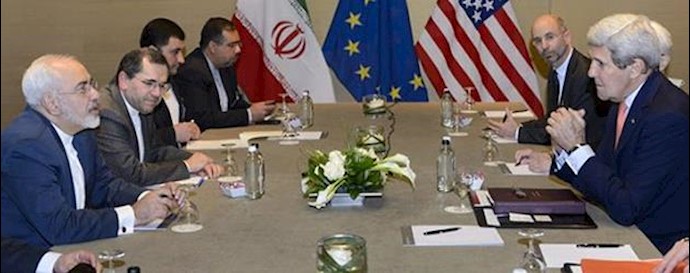
Star Tribune, 25 July 2015
Critics, including Minnesota’s Republicans and many prominent Jewish community members, say the United States is giving away powerful leverage to an enemy and escalating regional tensions in the Middle East — including, most important, Israel.
Republican Rep. Erik Paulsen said his office has received dozens of calls from constituents, the majority urging him not to support the agreement.
“I do think it’s possible to get a better deal,” he said. “I think their economy has been reeling, the price of oil has dropped … Sanctions brought them to the table. They’re funding state-sponsored terrorism organizations around the world and that’s not going to go away.”
Steve Hunegs, director of the Jewish Community Relations Council of Minnesota and the Dakotas, has a different message. “We’re deeply skeptical of the agreement,” he said. “There has to be a … third way forward that relates to securing the future of Israel and the Gulf states and other allies and doesn’t put them at risk.”
Conservative Democratic Rep. Collin Peterson said. He’s still undecided.
Sen. Amy Klobuchar is still reviewing, wants a security gain for U.S.
“I haven’t figured out what I’m doing. Some people say the sanctions are just starting to work,” he said.
Klobuchar said she’s still reviewing the details.
“Everyone knows they have been engaging in bad activities, so the issue you really have to confront is do you believe this will prevent them from getting a nuclear weapon?” Klobuchar said. “I think the sanctions are what brought them to the table and so if we’re going to lift the sanctions we need to make sure we’re getting national security gain on it.”
GOP Rep. John Kline, a Marine Corps veteran and member of the House Armed Services Committee, said he’s listened to the administration and is unconvinced.
“Why is this a good deal? We lift the sanctions, give them an infusion of cash and then they’ll be able to export oil and continue to take in money,” he said.