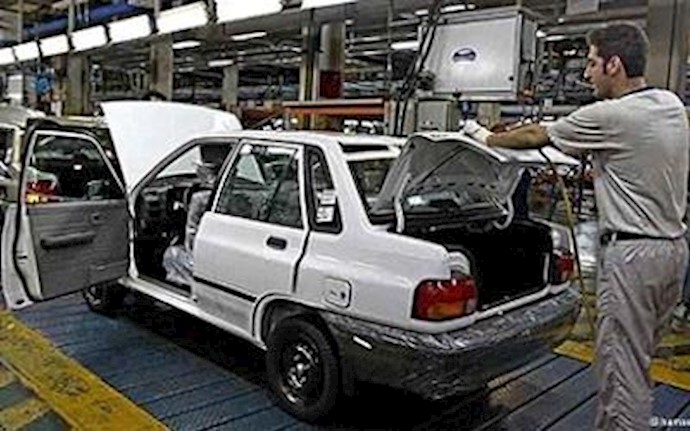
A campaign to boycott “substandard and expensive” Iranian-made cars has fired up social media in Iran.
Iranians are turning to the Internet to vent long-simmering dissatisfaction with a domestic car industry dominated by producers Iran Khodro and Saipa, following years of sanctions that led to the exit of foreign makers.
Iran’s automakers “have put profit before their conscience”, wrote Vali, a user of the messaging service Telegram.
“The lives of many have been lost to technical faults.”
Almost 20,000 people die on Iran’s roads each year, and police say faulty cars are partly to blame.
Although domestic vehicles have features such as airbags and anti-lock brakes, “the safety of these cars is not satisfactory”, deputy police chief Eskandar Momeni said, quoted by state media.
“This is because of a lack of competition and supervision in domestic manufacturing,” he added.
“Imposing substandard, expensive and unexportable cars on the nation is treason to the people and Iran’s industry,” retorted Twitter user Hassan Mostafavi.
Several newspapers also reacted furiously, insisting that people have the right to choose not to buy Iranian cars.
Most Iranian cars are based on foreign models which used to be brought in and assembled before sanctions were introduced.
Saipa’s Pride model, originally a Kia Motors vehicle, is the cheapest Iranian car with a price tag of 200 million rials ($6,680 at the official exchange rate) — about 22 times the monthly minimum wage.
Iran’s car production stood at 1.65 million vehicles in 2011 but after European and US sanctions hit there was a dramatic drop, to around 740,000 in 2013. Production rose to 1.2 million last year.
Almost all foreign automakers have left the country. France’s Renault continues to import parts and assemble cars in Tehran but at a fraction of former output.
– ’Economic collapse’ –
Customs duties of up to 100 percent for vehicle imports ensure that quality foreign cars are out of reach for most Iranians.
Sales of imported Chinese vehicles are rising, helped by price cuts after the July 14 nuclear agreement in Vienna, but even they are still much more expensive than the average Iran-made car.
Automaking is Iran’s number two industry after oil, accounting for up to three percent of gross domestic product and 12 percent of jobs.
While taxes stand at about 30 to 70 percent for domestically produced cars — which campaigners say is too high — Iranians enjoy lower prices at the pump than those in many countries.
“Because the government cannot tax the fuel, like in European countries, for political and social reasons they tax the cars upfront,” he said.
“In the West, cars are cheap but fuel is expensive, while it’s vice versa in Iran.”