
U.S. Secretary of State John Kerry on Thursday stood by ally Saudi Arabia in the kingdom’s widening rift with Iran while urging the regional rivals to pursue a diplomatic solution.
The balancing act for Washington comes as the Obama administration readies billions of dollars’ worth of sanctions relief for Iran and seeks the Islamic Republic’s support in ending the Syrian civil war the Associated Press reported Jan 14, 2016.
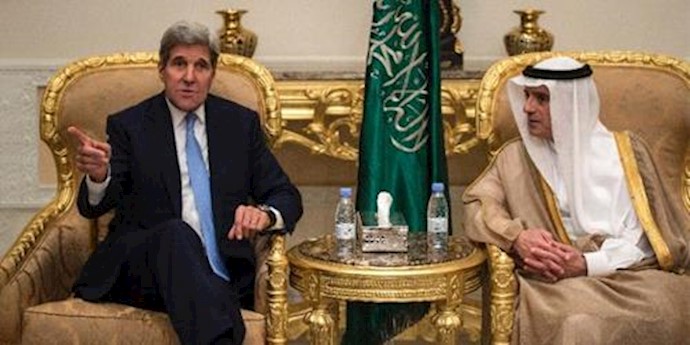
Kerry met with Saudi Foreign Minister Adel al-Jubeir amid overlapping U.S. diplomatic efforts in the Middle East and America’s own difficulties with the Sunni kingdom. The talks also coincided with Shiite Iran’s effort to completely satisfy the terms of last summer’s nuclear deal. Once Iran completes the task, probably in coming days, it should begin to reap massive economic benefits.
Saudi Arabia, which expressed reservations over the July accord, is wary of an enriched and emboldened Iran. The United States has offered the Saudis additional security assurances but remains perturbed by the mass executions carried out Jan. 2, which sparked the latest crisis with Iran. After an Iranian mobs stormed the Saudi Embassy in Tehran, the Saudis severed diplomatic ties.
During their talks in a London hotel, Kerry said countries in the Mideast should not interfere in the affairs of others, referencing Saudi charges that Iran foments Shiite unrest throughout the Sunni monarchies of the Persian Gulf.
Kerry told reporters that the U.S. understands “the challenges that the kingdom and other countries feel in the region about interference in their countries.” Kerry said Washington stands by its friends, “but we also want to see diplomacy work. We want to try to see if there’s a way, moving forward, to resolve some of these problems without moving to greater conflict.”
Al-Jubeir stressed the importance of U.S.-Saudi cooperation.
“The most effective ways for us to work though these challenges is through our close partnership and alliance with the United States of America,” he said.
The U.S. and Saudi Arabia would deal with the challenges “in a way that preserves the interests of our two great nations,” he added.
The Obama administration does not want to play mediator between the Saudis and Iranians, a reluctance that has invited criticism from left and right. Republicans lawmakers in the U.S. C Congress see the president as too concerned with protecting the nuclear agreement, his signature foreign policy achievement, and too willing to forsake the concerns of America’s bulwarks of support in the Mideast, including Israel.
The Saudis are also in a bind. They are unhappy that the U.S. is increasingly looping Iran into efforts to stabilize Syria and combat the Islamic State. But its long-term security interests rest to a large degree on Washington.
“Our relationship with Iran is separate from the relationship we have with everyone else in terms of the Syrian cooperation group,” al-Jubeir said.
John Kerry stands by ally Saudi Arabia in the Kingdom’s widening rift with Iran
RELATED ARTICLES