
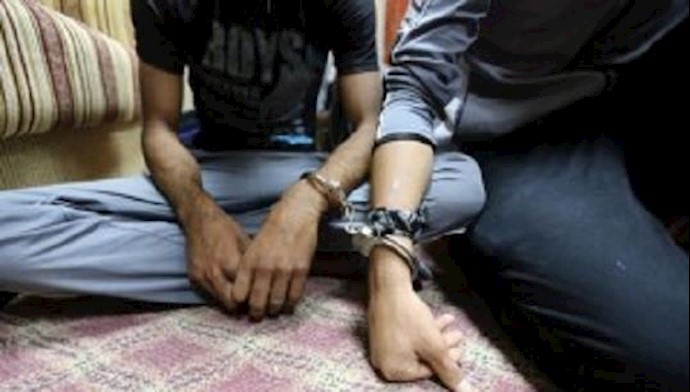
From unsolved murders of journalists to lawsuits against commentators, rights groups and diplomats say Iraq’s press freedom record falls dramatically short of international standards, according to a report by Agency France Press on May 3rd.
Reporters, photographers and videojournalists face threats and pressures from both militants and the security forces, as well as mundane everyday restrictions.
In a statement marking Saturday’s World Press Freedom Day, the UN’s culture and media body voiced “deep concern” over the situation in Iraq.
At least 100 journalists and media workers have been killed over the past decade, according to the New York-based Committee to Protect Journalists, with Iraq ranking atop the CPJ Impunity Index, which tracks unsolved murders of media workers, since 2008.
Media workers in the northern province of Nineveh have been particularly badly hit, with five killed in provincial capital Mosul in the last three months of 2013 alone.
According to a local press watchdog and many journalists, official restrictions on journalism and lawsuits for alleged defamation can be just as chilling.
“The most dangerous thing we face at this point is the government employing (legal) articles more aggressively than before,” said Sarmad al-Taie, a columnist for Al-Mada newspaper and a frequent guest on current affairs television programmers.
A warrant was issued for Taie’s arrest in January for criticizing Nuri al-Maliki, who is seeking re-election after Wednesday’s general election.
“The rest of the threats are still on a level that we can handle,” Taie told AFP. “But the threat that worries us the most is the use of the judiciary against the press.”
While Maliki and other Iraqi leaders were dissident opponents of the Baath regime that ruled from 1968 to 2003, they have allowed laws from that era, including one against criticizing the head of state, officials and government, to remain on the books.
Journalists also face various routine restrictions, many imposed arbitrarily.
“If a policeman sees you carrying a weapon, he might let you go,” said Ziad al-Ajili, head of the Baghdad-based Journalistic Freedoms Observatory.
“But he will never let you go carrying a camera.”
“The most dangerous thing in the country is when the security forces control the press, and that is causing a serious crisis.”
To work in Baghdad, with its countless checkpoints and security forces everywhere, journalists must have permits.
But even with the right paperwork, which can take weeks to obtain, security forces routinely deny permission to take photographs or video.
Journalists at the scene of bombings are often threatened with arrest, and access to entire neighborhoods can be denied at the whim of soldiers manning checkpoints.
“Political tensions, instability, the Syrian war, and unhelpfulness of the authorities and security forces, are major factors that have a very negative impact on the safety of journalists and the independence of the media in Iraq,” a UNESCO statement said on Saturday.