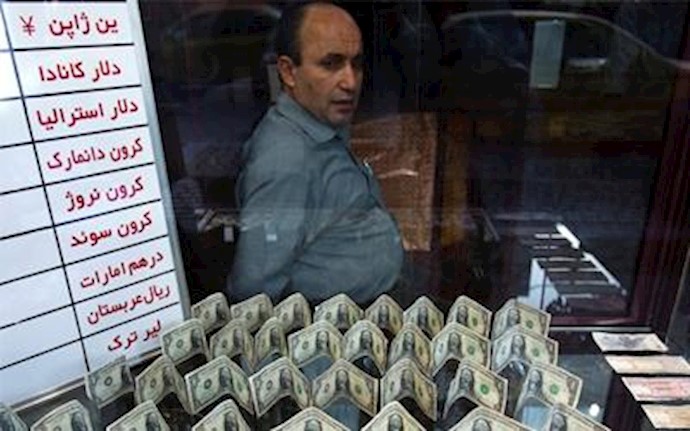
Currency has lost more than a quarter of its value over the past week, raising fears of widespread inflation.
Al Jazeera, 2 Oct 2012 – Iran’s currency has lost more than a quarter of its value against the dollar over the past week, a sign that Western sanctions are having a serious impact on the country’s economy.
The losses include a 17 per cent drop in one day: The black-market exchange rate plunged to about 34,500 per dollar on Monday, down from Sunday’s rate of about 29,600, according to currency-tracking websites. (The official rate remains has been pegged at 12,260 rials on the dollar for several years.)
The decline comes after a week of tough talk at the United Nations, where US President Barack Obama said his country would “do what we must“ to stop Iran from acquiring nuclear weapons, and Israeli Prime Minister Binyamin Netanyahu hinted at a military strike next year.
The US and European Union have imposed increasingly-tough economic sanctions to pressure Iran into suspending its nuclear programme. Iran insists that the programme is peaceful.
The International Atomic Energy Agency said in its latest report that Iran was blocking access to one site suspected of conducting research connected to nuclear weapons.
Inflation fears
The rial’s collapse also comes after Iran opened a new currency “exchange centre” in Tehran to supply dollars to importers at a special rate. The launch was supposed to ease their fears about the availability of dollars, but it may have backfired, intensifying the demand for foreign currency.
Some Iranian officials insisted that the depreciation would be temporary.
“The exchange centre is operating and once the next phase of the plan is implemented, the price of curency will drop,” said Gholamreza Mesbahi-Moghaddam, who head’s parliament’s planning and budget committee, according to the Mehr news agency.
Inflation, already running at more than 25 per cent, will almost certainly spike as the rial deteriorates. Rising costs could worsen the job losses which Iranians say are hitting the country’s industrial sector.
At the end of last year, Iran had $106bn of official foreign reserves, enough to cover about 13 months of imports of goods and services in normal times, according to the International Monetary Fund.
But Nader Habibi, an economist at the Crown Center for Middle East Studies at Brandeis University in the US, estimated last month that the government now had about $50bn to $70bn left. Iran does not disclose timely information on its reserves.
Victoria Nuland, the spokesperson for the US state department, said that the depreciation was linked to Western sanctions.
“This speaks to the unrelenting and increasingly successful international pressure that we are all bringing to bear on the Iranian economy,” she said.
Nuland went on to acknowledge that “any depreciation of currency is always going to affect the people who use the currency,” but would not say whether the US was concerned about the impact of the currency collapse on civilians.