
Iran says it’s received a little more than 10 percent of the oil money unlocked when it agreed to the terms of a nuclear agreement with the so-called P5-plus-1 last year, while the IMF cautioned economic growth in countries like Iran that rely on oil exports may be vulnerable to market dynamics, Oilprice.com reported.
The IMF’s assessment of Iran, drafted before the November nuclear agreement, said a steady decline in oil prices could leave major exporters with a fiscal deficit. Iran has stumped in the past to keep oil prices elevated.
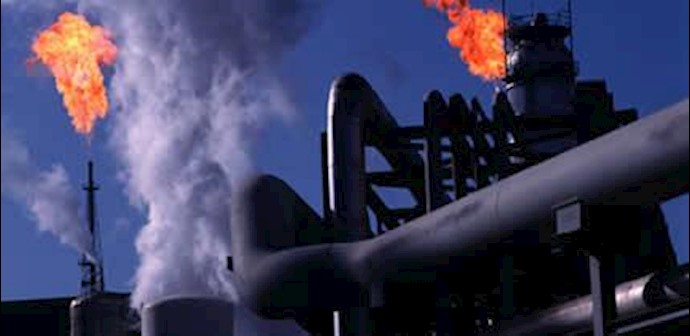
OPEC said in its monthly market report the Iranian economy is already showing signs of a recovery along with oil production, which averaged 2.7 million bpd in December. More Iranian crude, however, could force OPEC members to make adjustments to their export quotas. That might not sit well with Saudi Arabia, OPEC’s top producer and Iran’s No. 1 regional adversary. If OPEC doesn’t cede to a surging Iran, the cartel’s overall output could increase. That, in turn, could lead to lower overall market prices for crude oil, leaving Iran in an economic Catch-22.
Iran’s Economy Might Not Get a Big Break From Sanctions After all
RELATED ARTICLES