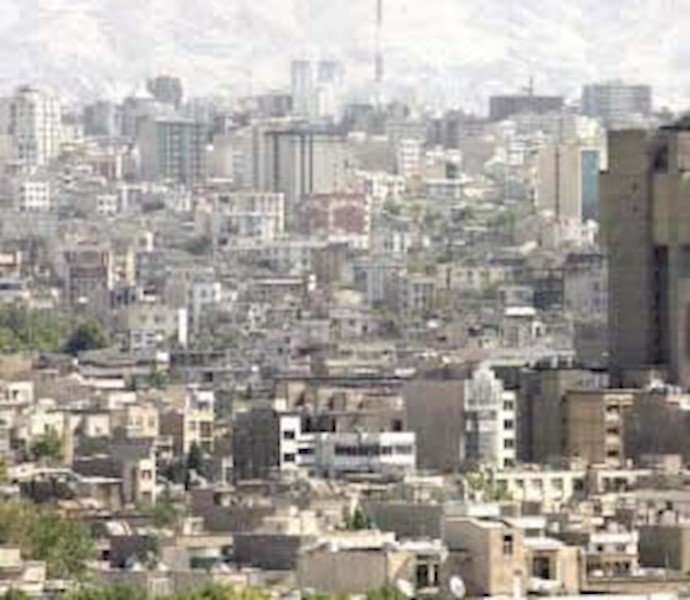
The Financial Times, August 10, 2008 (excerpts) – For average Iranians, recent electricity cuts are a reminder of the severe energy shortages they endured for almost a decade after the 1979 Islamic revolution. The power cuts, which have lasted at least two hours a day this summer amid temperatures as hot as 50°C, have disrupted home and work life.
Long queues snake outside petrol stations and banks, and productivity in factories, private companies and state organisations has been hit.
In the 1980s, power cuts were accepted as part of daily life, but now Iranians question how record oil revenues, which amounted to $54bn (€36bn, £28bn) for the first half of this year, can have such little impact on their living standards.
Sitting on the world’s second largest oil and gas reserves, Iran may generate $120bn this year, if prices remain at the current level, which is almost double the figure for last year.
Reform-minded economists and politicians see the electricity crisis as a blatant example of the government’s failure to channel oil revenues into the development of infrastructure.
Four years ago, the conservative-dominated parliament took its first populist step by urging the reformist government to freeze the prices of certain basic commodities and services including electricity, petrol and water.
The government blames drought as the main reason for the power shortages, but experts reject this claim and argue that 90 per cent of about 38,000MW of electricity is generated in thermal power plants, not hydro-electric ones. Iran’s media claim current production is 15 per cent less than consumption.
Electricity experts say that international sanctions against Iran’s nuclear programme have also contributed to the problem by making the investment outlook bleak. Importing spare parts is not as easy as it used to be.
They add that slow development and renovation of power plants and an average 10 per cent increase in annual consumption are the main reasons the electricity sector has lagged behind.
Analysts doubt there can be any breakthrough in the electricity sector in the near future. They also warn the current crisis could fan inflation, which currently stands at 26.4 per cent, as it pushes up final price of domestically made goods.